
Library Of Congress To House Billions And Billions Of Tweets
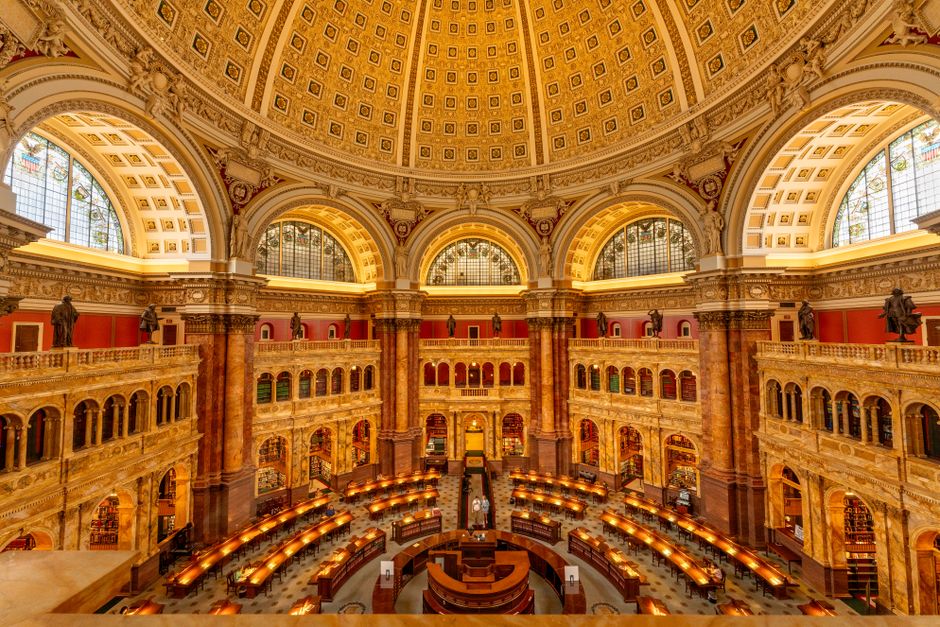
The Library of Congress Archives Billions of Tweets: A Digital Preservation Revolution
The Library of Congress, a venerable institution synonymous with the safeguarding of human knowledge and cultural heritage, has embarked on an ambitious and unprecedented initiative: the archiving of the entire public Twitter stream. This monumental undertaking, encompassing billions upon billions of individual tweets, represents a seismic shift in how historical records are compiled and preserved, acknowledging the profound and evolving role of social media in shaping contemporary discourse, culture, and society. The implications of this endeavor extend far beyond mere data storage; it signifies a deliberate effort to capture the raw, unfiltered voice of the 21st century, creating a digital archive that will serve as an invaluable resource for researchers, historians, and future generations. The decision to house this vast and dynamic corpus of information within the hallowed halls of the Library of Congress underscores the growing recognition of digital ephemera as legitimate historical artifacts, demanding the same rigorous preservation and accessibility afforded to printed texts and analog media.
The sheer scale of the undertaking is staggering. Twitter, a microblogging platform launched in 2006, has evolved into a global communication nexus. Users worldwide generate hundreds of millions of tweets daily, spanning an extraordinary range of topics, from breaking news and political commentary to personal anecdotes and cultural trends. Accumulating this data over the platform’s lifespan, and continuing to do so in real-time, presents formidable technical and logistical challenges. The Library of Congress, in collaboration with Twitter and academic partners, has developed sophisticated systems for data ingestion, curation, and storage. This involves not only capturing the text of each tweet but also its associated metadata: timestamps, author information, geolocation data (where available and permitted), retweets, replies, and the complex network of connections that define the platform’s social graph. The goal is to create a comprehensive snapshot of public conversations as they unfold, providing a granularity of historical insight previously unimaginable.
The rationale behind this ambitious archiving project is rooted in the Library’s core mission: to preserve and provide access to the nation’s intellectual and cultural heritage. Historically, this mission has focused on tangible artifacts like books, manuscripts, photographs, and recordings. However, the advent of the internet and social media has fundamentally altered how information is created, disseminated, and consumed. The public Twitter stream, in particular, has emerged as a primary conduit for real-time information sharing, public opinion formation, and cultural expression. Ignoring this vast digital reservoir would be to neglect a significant portion of contemporary history. The Library of Congress, through this initiative, asserts its commitment to adapting its preservation strategies to the digital age, ensuring that the voices and narratives of the present are not lost to the ephemeral nature of online communication.
The preservation of this data is not simply a matter of storage. The Library of Congress faces the complex task of ensuring the long-term accessibility and usability of this digital archive. Unlike printed materials, digital data is susceptible to format obsolescence, technological degradation, and the rapid evolution of software and hardware. To address this, the Library employs robust digital preservation strategies, including redundant storage, format migration, and the development of robust metadata standards. The aim is to ensure that future generations, even with vastly different technological landscapes, will be able to access and understand the content of these archived tweets. This involves not only preserving the raw data but also developing tools and methodologies for its retrieval, analysis, and interpretation.
The implications of this archive for research are profound and far-reaching. Historians can now study the evolution of public discourse on critical events, analyze the formation and diffusion of social movements, and track the impact of political campaigns with unprecedented detail. Sociologists can examine communication patterns, the spread of information and misinformation, and the dynamics of online communities. Linguists can analyze evolving language use, the emergence of new slang, and the impact of digital communication on linguistic structures. Political scientists can gauge public sentiment, track the influence of public opinion on policy, and understand the role of social media in democratic processes. The archive offers a unique window into the collective consciousness, providing empirical data to test hypotheses and develop new theories across a multitude of disciplines.
Beyond academic research, the archive holds immense potential for understanding cultural trends and societal shifts. The Library can analyze the evolution of popular culture, the emergence and dissemination of memes, the impact of celebrity and influencer culture, and the ways in which individuals and groups express their identities online. The archive will allow for the study of how cultural norms are shaped and challenged in the digital public square, providing insights into the subtle yet powerful ways in which online conversations influence offline behavior and societal attitudes. This will be particularly valuable for understanding the nuances of subcultures, fandoms, and niche communities that often flourish in the digital realm.
Furthermore, the archive serves as a vital resource for understanding critical historical moments as they unfolded in real-time. During times of crisis, natural disasters, or political upheaval, Twitter often becomes a primary source of immediate information and eyewitness accounts. The Library’s archive will allow future researchers to reconstruct these events with a level of immediacy and detail that was previously impossible. Imagine researchers being able to access the unfiltered reactions to major news events, track the spread of information during emergencies, or analyze the public’s immediate response to policy changes. This granular historical record will be invaluable for understanding the human experience during pivotal moments.
The ethical and legal considerations surrounding the archiving of public tweets are also significant. The Library of Congress is committed to respecting user privacy and adhering to relevant legal frameworks. While tweets are publicly accessible, the Library’s policies aim to balance preservation needs with the privacy rights of individuals. This includes considerations regarding the anonymization of data where appropriate and the development of clear guidelines for access and use. The Library is actively engaging in discussions with legal scholars, privacy advocates, and technology experts to ensure that this project is conducted responsibly and ethically. The ongoing dialogue around data governance and digital rights is crucial for the long-term success and public trust in such initiatives.
The technical infrastructure required to manage such a colossal dataset is equally impressive. The Library of Congress is investing heavily in robust data storage solutions, employing advanced networking capabilities, and developing sophisticated search and retrieval systems. This includes the implementation of distributed computing architectures, cloud-based storage solutions, and cutting-edge data analytics platforms. The ability to efficiently query and analyze billions of tweets necessitates the development of specialized algorithms and software that can navigate the complexities of natural language processing, network analysis, and temporal data. The Library’s commitment to technological advancement is as critical as its commitment to intellectual preservation.
The long-term vision for the Twitter archive extends beyond mere storage and retrieval. The Library of Congress envisions this as a dynamic resource that will be continuously enriched and accessible to the public. This includes the development of user-friendly interfaces, educational resources, and public exhibitions that can translate the raw data into compelling narratives and accessible insights. The goal is to democratize access to this historical record, empowering individuals to explore the digital conversations that have shaped our world. By making this archive accessible, the Library aims to foster greater digital literacy and a deeper understanding of the role of social media in society.
In conclusion, the Library of Congress’s decision to archive the entirety of the public Twitter stream represents a landmark achievement in digital preservation. It acknowledges the profound cultural and historical significance of social media and commits to safeguarding this vital record for posterity. The challenges are immense, encompassing technical, ethical, and logistical complexities. However, the potential rewards are equally vast, offering unprecedented opportunities for research, cultural understanding, and historical insight. This ambitious undertaking solidifies the Library’s role as a forward-thinking institution, adapting its mission to the evolving landscape of information and ensuring that the digital voice of our era is preserved for generations to come. The billions upon billions of tweets, once fleeting digital whispers, are now poised to become a cornerstone of the historical record.




