Was The Ipad A Mistake
Was the iPad a Mistake?
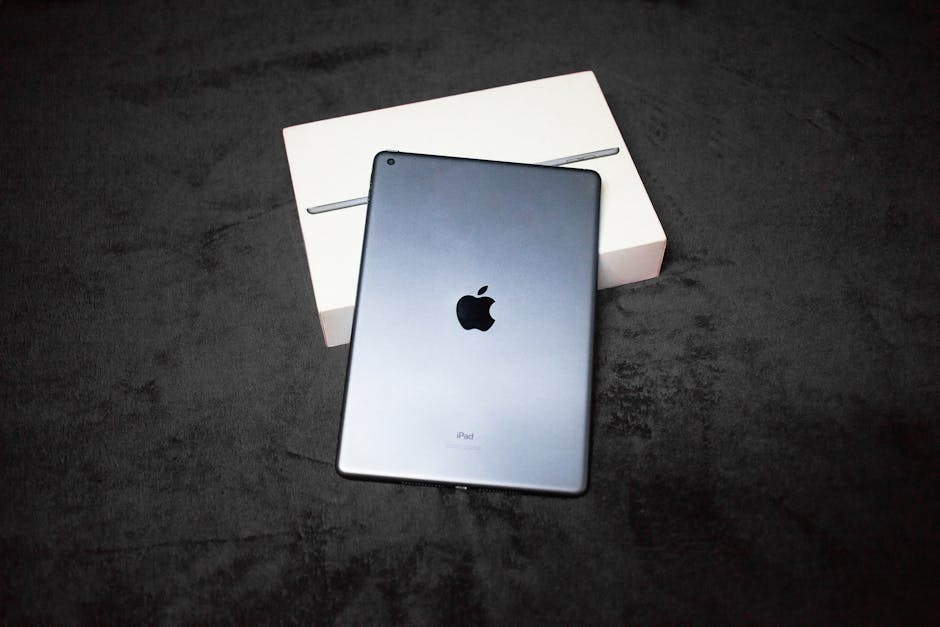
The iPad, arguably the most iconic tablet device, has been a revolutionary product since its inception in 2010. However, to question whether it was a "mistake" requires a nuanced examination of its impact, not just on the technology landscape but also on consumer behavior, the personal computing paradigm, and the broader economic ecosystem. The initial reception of the iPad was met with skepticism. Critics, often within the very tech circles that celebrated Apple’s previous innovations, derided it as merely a large iPhone, lacking the functionality of a laptop and the portability of a smartphone. This early dismissal, however, proved to be short-sighted. The iPad carved out a new category, neither a phone nor a traditional computer, but a distinct device for consumption, light creation, and interactive experiences. Its success, measured in billions of units sold and billions in revenue for Apple, immediately refutes any notion of it being an outright commercial failure. The market, it seems, found a place for it.
The question of "mistake" then shifts from commercial viability to its intended purpose and its long-term consequences. Steve Jobs famously positioned the iPad as a device that would sit "in between a smartphone and a laptop." This positioning was critical. It wasn’t designed to replace the laptop for power users, but to offer a more accessible, intuitive, and portable computing experience for a broader audience. For many, especially those not engaged in demanding professional tasks, the iPad proved to be an adequate, and often preferable, computing solution. Tasks like web browsing, email, social media, media consumption (videos, music, reading), and even light content creation (writing, basic photo editing, drawing) were all handled with ease and a level of simplicity that traditional computers often lacked. This accessibility democratized computing, bringing it within reach of a wider demographic, including children and seniors, who might have found traditional laptops intimidating.
However, the rise of the iPad, and tablets in general, did undoubtedly siphon market share away from traditional laptops and PCs, particularly in certain segments. The declining sales of netbooks and, to some extent, budget laptops can be attributed, in part, to the allure of the tablet. For students, the iPad offered a more portable and often cheaper alternative to a laptop for note-taking and research. For casual home users, the instant-on capability and touch interface provided a more user-friendly experience for everyday tasks. This shift, while potentially viewed as a "mistake" by entrenched PC manufacturers, represented a natural evolution of consumer demand. It highlighted a growing preference for simpler, more immediate computing, and a willingness to sacrifice raw processing power and extensive port selection for convenience and a more tactile interaction.
The development and proliferation of the iPad also had a profound impact on the software ecosystem. Developers, recognizing the massive market opportunity, began optimizing their applications for the touch interface and the iPad’s unique form factor. This led to a surge in innovative apps, particularly in areas like creative arts, education, and productivity. The App Store, a cornerstone of the iPad experience, became a vibrant marketplace for applications, many of which were designed specifically for tablet use. While some argued that the lack of traditional desktop-class software on early iPads limited their utility, the emergence of powerful applications like Adobe Photoshop for iPad, LumaFusion for video editing, and sophisticated note-taking and drawing apps demonstrated the growing capabilities of the platform. This evolving software landscape further challenged the notion of the iPad being merely a consumption device, showcasing its potential for creation.
The iPad’s influence extends to the educational sector. The device’s portability, ease of use, and access to a vast library of educational apps made it an attractive tool for schools and universities. Replacing heavy textbooks with digital equivalents, facilitating interactive learning experiences, and providing tools for creative projects have all been significant contributions. While concerns about screen time and digital distractions persist, the iPad has undeniably modernized educational delivery in many institutions, offering a more engaging and personalized learning environment for students. This pedagogical shift, while not without its debates, points towards the iPad’s positive impact on a crucial societal pillar.
However, the "mistake" argument can gain traction when considering the economic implications for other hardware manufacturers. The overwhelming success of the iPad, driven by Apple’s integrated ecosystem, created a significant challenge for competitors in the tablet space. While many companies, including Samsung, Google, and Amazon, have released their own tablets, none have achieved the same level of market dominance or brand recognition as the iPad. This concentration of market power, while beneficial for Apple, can be seen as a missed opportunity for broader innovation and consumer choice within the tablet market itself. The Android tablet ecosystem, for instance, has struggled to gain significant traction against the iPad’s entrenched position, often seen as a secondary option for those who don’t buy into Apple’s ecosystem.
Furthermore, the iPad’s impact on the broader personal computing industry is undeniable. The line between mobile and desktop computing has become increasingly blurred. The evolution of laptops with touchscreens and more mobile-centric operating systems can be seen as a direct response to the iPad’s success. Even traditional PC manufacturers have explored hybrid devices that attempt to bridge the gap between tablet and laptop functionality. This forced adaptation, while leading to more versatile devices, also speaks to the disruptive nature of the iPad’s introduction. It forced an industry that had grown comfortable with established paradigms to re-evaluate its offerings and embrace new forms of interaction.
The narrative of "mistake" can also be viewed through the lens of sustainability and repairability. Like many modern electronic devices, iPads are often designed with integrated components that make them difficult to repair or upgrade. This planned obsolescence, or at least the inherent difficulty of repair, contributes to electronic waste and can be seen as a societal "mistake" driven by the pursuit of profit and the desire for consumers to upgrade to newer models. While Apple has made some efforts to improve repairability in recent years, the fundamental design of most iPads remains challenging for independent repair.
Another critical aspect to consider is the development of "phablets" – oversized smartphones that blur the lines with tablets. The success of the larger iPhone models, and similar devices from other manufacturers, can be seen as a testament to the growing consumer preference for larger screens and more versatile mobile devices. This trend, in part, was fueled by the perceived value proposition of the iPad, demonstrating that consumers were willing to carry and interact with larger mobile screens. The existence of these devices suggests that the demand the iPad tapped into was perhaps broader than initially anticipated, and that the ideal screen size for many computing tasks was larger than previously assumed.
The iPad’s influence on content creation and consumption habits is also a significant point of discussion. For creators, the iPad has become a powerful tool for digital art, music production, and even video editing. Apps like Procreate have revolutionized digital illustration, and devices like the iPad Pro with Apple Pencil offer a level of precision and responsiveness that rivals traditional Wacom tablets. This has democratized creative tools, making them more accessible to a wider audience. For consumers, the iPad has solidified the dominance of streaming services and on-demand content. Its portability makes it ideal for watching movies, listening to podcasts, and reading books on the go, further shaping how we engage with media.
Ultimately, whether the iPad was a "mistake" is a subjective question with no single definitive answer. From a commercial perspective, it has been an unmitigated triumph for Apple. It created a new product category, revolutionized user interaction, and generated immense revenue. However, from a broader societal and industrial perspective, its impact is more complex. It disrupted established industries, raised questions about repairability and sustainability, and forced a re-evaluation of what constitutes a personal computing device. The iPad didn’t replace the laptop, as some feared, nor did it solely exist as a glorified iPhone. It carved out its own unique space, influencing the trajectory of technology in ways that are still unfolding. The "mistake" then, if one can be attributed, lies less in the device itself and more in the broader societal and industrial shifts it catalyzed, prompting an ongoing debate about the future of computing and our relationship with technology. Its enduring popularity and continued evolution suggest that the "mistake" narrative is ultimately overshadowed by its undeniable success and profound influence. The iPad’s legacy is one of disruption and innovation, forcing us to redefine our expectations of personal computing.