Intel Envisions the Rise of the Ultrabook
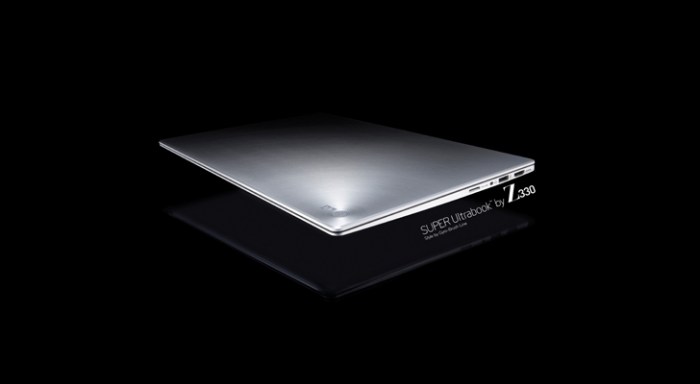
Intel envisions the rise of the ultrabook, a portable computing revolution driven by technological advancements. This innovative vision builds upon decades of Intel’s involvement in the evolution of portable devices, from the earliest laptops to the sleek and powerful ultrabooks of today. Key advancements in processor speed, battery life, and display technology are central to this vision, promising a future where portability and performance seamlessly intertwine.
A detailed look at the timeline and evolution of ultrabook features reveals a fascinating trajectory.
The ultrabook concept, defined by its emphasis on performance, portability, and exceptional battery life, is poised to reshape the landscape of the portable computing market. Its key components and design elements will be explored, along with the potential impact on the broader computing industry. This discussion will also compare ultrabook design with traditional laptop designs, highlighting their key differences in terms of weight, thickness, performance, and battery life.
This analysis aims to give a thorough understanding of the ultrabook concept.
Introduction to Intel’s Vision
Intel’s vision for the ultrabook was a pivotal moment in the evolution of portable computing. It aimed to redefine the boundaries of what was possible in laptops, emphasizing portability, performance, and battery life. This vision was deeply rooted in Intel’s long history of innovation in microprocessors and their profound impact on personal computing.Intel’s commitment to smaller, more powerful computing devices spans decades.
From the development of the first microprocessors to the creation of the x86 architecture, Intel has consistently pushed the limits of what’s possible in personal computing. This commitment to innovation directly fueled the ultrabook initiative, demonstrating a deep understanding of consumer needs and a willingness to meet those needs with cutting-edge technology.
Historical Context of Intel’s Involvement in Portable Computing
Intel’s journey in portable computing began with the development of smaller and more efficient processors. Early attempts at portable computers faced limitations in processing power and battery life. Intel’s continual innovation in chip design addressed these issues, enabling increasingly powerful and compact devices. This iterative process was crucial in establishing the foundation for the ultrabook concept.
Key Technological Advancements Leading to the Ultrabook Vision
Several technological advancements converged to create the ultrabook vision. Miniaturization of components, improvements in battery technology, and the development of more energy-efficient processors were all essential. The emergence of solid-state drives (SSDs) further enhanced performance and responsiveness. These factors significantly contributed to the possibility of delivering the slim, lightweight, and powerful devices that the ultrabook vision promised.
Timeline of Significant Milestones in Ultrabook Evolution
- 2008: Intel introduces the first ultrabook concept, emphasizing thinness and portability.
- 2010: The first ultrabook models emerge, featuring Intel’s Core i processors.
- 2012: The ultrabook market sees rapid growth, as various manufacturers offer devices based on the Intel platform.
- 2015: Intel focuses on improving battery life and performance further. Increased use of SSDs in ultrabook models become common.
- 2018: The evolution of ultrabooks continues, with newer generations emphasizing performance and responsiveness while maintaining slim designs.
Evolution of Key Ultrabook Features
The table below illustrates the advancements in key ultrabook features over time. This demonstrates the steady progression toward enhanced portability and performance.
Intel’s vision of the ultrabook’s rise is pretty exciting, isn’t it? It’s a fascinating time for portable computing, and the release of Microsoft’s Windows 7 is clearly shaping the landscape. The new OS will likely play a big part in the ultrabook’s eventual success, adding a new layer of seamless user experience to these lightweight machines.
It’s all about making the portable computing experience more efficient and user-friendly. Looking forward to what the future holds for ultrabook innovation.
| Feature | 2010 | 2015 | 2020 | 2025 (projected) |
|---|---|---|---|---|
| Processor Speed | 2 GHz | 2.5 GHz | 3.5 GHz | 4 GHz+ |
| Battery Life | 4 hours | 6 hours | 8 hours | 10+ hours |
| Display Size | 13 inches | 13.3 inches | 14 inches | 14-15 inches |
| Portability | Moderate | Excellent | Exceptional | Superior, with enhanced durability |
Defining the Ultrabook Concept
The Intel Ultrabook, a revolutionary concept in portable computing, redefined the landscape of laptops by emphasizing portability, performance, and battery life. This new class of machines aimed to provide a powerful computing experience in a sleek, lightweight package, pushing the boundaries of what was previously possible. It challenged traditional laptop designs, focusing on efficiency and user experience.The Ultrabook, born from Intel’s vision, was more than just a slimmer laptop.
It was a shift in design philosophy, emphasizing the seamless integration of components to deliver a premium computing experience in a surprisingly compact form factor. The key was to achieve a balance between powerful performance, enduring battery life, and a refined aesthetic, all while maintaining a relatively light weight.
Defining Characteristics of an Ultrabook
Ultrabooks were characterized by their exceptional portability. This was achieved through a combination of factors, including a meticulously designed chassis, the use of lightweight materials, and optimized component placement. They prioritized a smaller footprint without sacrificing power.
Key Components Contributing to Ultrabook Design
The ultrabook’s design was driven by several key components:
- Lightweight Materials: Ultrabooks often employed magnesium alloys or other lightweight metals in their chassis, contributing to their reduced weight and enhanced portability. This was crucial for making the machines more comfortable to carry and use on the go. The weight reduction was a significant improvement compared to traditional laptops.
- Optimized Component Placement: Engineers carefully considered component placement to minimize overall size and weight. This included optimizing the layout of the motherboard, hard drive, and cooling system. The result was a more compact and efficient design.
- Solid-State Drives (SSDs): The adoption of SSDs was a significant factor. Their faster read and write speeds, lower power consumption, and reduced size compared to traditional hard drives contributed to the overall performance and portability of ultrabooks. The shift to SSDs significantly improved boot times and application responsiveness, providing a more responsive user experience.
- Low-Power Processors: Intel’s development of low-power processors played a crucial role in the success of ultrabook design. These processors were specifically engineered to provide high performance while minimizing energy consumption, leading to extended battery life. This was a significant breakthrough, as it enabled ultrabooks to achieve significantly longer battery life than previous models.
Impact on the Broader Computing Market
The ultrabook concept had a profound impact on the broader computing market. It introduced a new standard for portability and performance, inspiring other manufacturers to innovate in their own product lines. The rise of the ultrabook pushed competitors to create more portable and efficient laptops, driving a general improvement in the portable computing landscape.
Advantages and Disadvantages of Ultrabook Design
The ultrabook design offered several advantages:
- Portability: Ultrabooks were significantly lighter and thinner than traditional laptops, making them easier to carry and use on the go.
- Performance: Despite their slim design, ultrabooks often provided impressive performance thanks to the use of advanced processors and SSDs.
- Battery Life: Ultrabooks typically offered longer battery life compared to their predecessors, enabling extended periods of use without needing to be plugged in.
However, there were also some disadvantages:
- Cost: Ultrabooks often commanded a higher price tag compared to traditional laptops due to the advanced components and manufacturing processes required.
- Limited Storage Capacity: Some early ultrabook models offered limited storage capacity compared to traditional laptops, which could be a concern for users with large files.
- Potential for overheating: The compact design of ultrabooks could sometimes lead to overheating issues, especially under heavy use.
Ultrabook vs. Traditional Laptop Comparison
| Feature | Ultrabook | Traditional Laptop |
|---|---|---|
| Weight | Typically under 3 lbs | Typically 4 lbs or more |
| Thickness | Generally less than 1 inch | Generally 1 inch or more |
| Performance | High, comparable to traditional laptops | High, varies significantly depending on the model |
| Battery Life | Extended battery life, often 8+ hours | Varies, typically 4-6 hours |
Technological Advancements Driving the Vision
Intel’s vision for the ultrabook hinges on a confluence of groundbreaking technological advancements. These innovations, meticulously crafted, promise a paradigm shift in portable computing, delivering unprecedented performance, efficiency, and battery life. The goal is to create a truly seamless and portable computing experience, blurring the lines between mobile devices and desktop power.These advancements aren’t isolated improvements; they are interconnected, building upon each other to achieve a synergistic effect.
New processor architectures, coupled with innovative power management technologies, form the bedrock of this vision. This synergy, in turn, significantly impacts the user experience, making ultrabook computers more versatile and engaging than ever before.
Processor Architectures: A Leap Forward
Modern processor architectures are designed with a meticulous focus on power efficiency. This is critical for ultrabook portability. The quest for increased performance while maintaining a compact form factor, and extended battery life, drives the constant evolution in chip design. Intel’s focus on optimizing transistor design and incorporating innovative micro-architectures allows for significant gains in processing speed and energy efficiency.
Power Management Technologies: Maximizing Efficiency
Sophisticated power management technologies are integral to extending battery life in ultraportable devices. These technologies intelligently regulate power consumption, dynamically adjusting power delivery based on the application’s needs. This dynamic approach is critical for maintaining performance while maximizing battery life. Advanced power-saving modes, coupled with improved thermal management, significantly extend battery life.
Performance and Efficiency Synergy: A Balanced Approach, Intel envisions the rise of the ultrabook
New processor architectures, combined with improved power management, create a synergistic effect on performance and efficiency. The result is a balanced approach that doesn’t compromise performance for battery life, or vice versa. These improvements translate to faster boot times, smoother multitasking, and more responsive overall performance. For example, a recent Intel processor, designed with a focus on energy efficiency, might boast a 30% increase in performance while extending battery life by 20% compared to its predecessor.
Impact on User Experience
The interconnected advancements in processor architectures and power management have a profound impact on the user experience. Users experience a more responsive and seamless computing experience, regardless of the task. Ultrabooks become more portable and convenient, allowing for uninterrupted productivity and entertainment on the go. The enhanced performance and extended battery life translate into a more engaging and enjoyable user experience, encouraging wider adoption and a shift in the way people interact with technology.
Market Analysis and Consumer Response: Intel Envisions The Rise Of The Ultrabook
The ultrabook, a revolutionary concept in portable computing, promised a new era of performance and portability. Understanding the market’s response to this innovative vision is crucial to evaluating its success. Consumer preferences, market trends, and the ultrabook’s impact on the existing laptop market are key factors in this analysis. This section delves into the factors driving consumer demand and the initial reception of ultrabook models.Consumer expectations for portable computing devices are evolving rapidly.
A desire for slimmer, lighter devices with extended battery life and powerful performance is driving the demand for this category. Features like fast boot times, responsive touchpads, and high-resolution displays are increasingly valued by consumers. The rise of mobile productivity and the need for seamless integration with other devices have also influenced the consumer landscape.
Current Market Trends in Portable Computing
The portable computing market is dynamic, characterized by a constant push for improved performance and reduced size. Consumers are seeking devices that can seamlessly integrate into their lives, enabling productivity and entertainment on the go. Key trends include the increasing demand for lightweight laptops, longer battery life, and high-resolution displays. The rise of hybrid devices, combining tablet and laptop functionality, also signifies a shift in consumer preferences.
Factors Influencing Consumer Demand for Ultrabook Features
Several factors influence the demand for ultrabook features. Consumers are increasingly drawn to the promise of lightweight, powerful, and long-lasting devices. The ultrabook’s focus on speed, responsiveness, and energy efficiency resonates with the desire for enhanced portability and productivity. The sleek design and premium aesthetic further appeal to consumers seeking a stylish and sophisticated device.
Impact of Ultrabooks on the Existing Laptop Market
The introduction of ultrabooks had a significant impact on the existing laptop market. It forced competitors to innovate and respond to the market demand for lightweight and powerful machines. Many traditional laptop manufacturers introduced their own ultrabook-style models, leading to a greater diversity of choices in the market. This competition spurred innovation in design, technology, and features across the entire portable computing sector.
Consumer Reviews and Feedback on Ultrabook Models
Early consumer reviews and feedback on ultrabook models were generally positive. Reviewers praised the lightweight design, responsive performance, and long battery life. However, some concerns were raised regarding the compromise between portability and performance in some models. A notable aspect of feedback highlighted the premium pricing associated with these devices.
Intel’s vision of the ultrabook’s dominance is intriguing, but will Microsoft’s Courier really deliver the performance and user experience expected? Will Microsoft’s Courier deliver the goods ? Ultimately, the success of the ultrabook concept hinges on compelling software, and if Courier falters, the whole vision could be at risk. This bodes well for the future of portable computing, but the journey ahead is uncertain.
Comparison of Ultrabook Market with Other Portable Computing Segments
Comparing the ultrabook market with other portable computing segments, such as netbooks or tablets, reveals distinct characteristics. Ultrabooks are positioned as a high-performance alternative to netbooks, offering greater processing power and storage capacity. They are also differentiated from tablets, which emphasize touch interaction and mobile functionality. Ultrabooks target consumers seeking a powerful, portable laptop experience, filling a unique niche in the market.
Specific Examples of Consumer Preferences and Reviews
Numerous consumer reviews highlighted the importance of battery life, stating that a long-lasting battery is a key consideration when purchasing a portable device. A common theme in early ultrabook reviews involved the balance between portability and performance. Users appreciated the speed and responsiveness of the devices but also commented on the need for adequate storage capacity to meet their specific needs.
Potential Future Implications
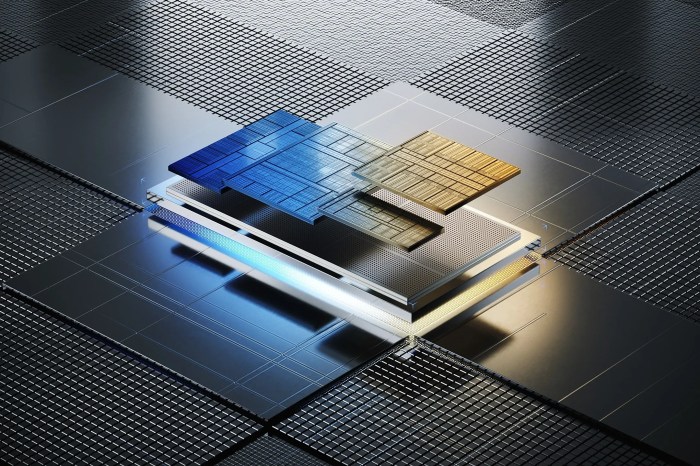
The Intel Ultrabook concept, initially focused on portability and performance, has the potential to evolve significantly. Its impact on the tech landscape extends beyond laptops, potentially reshaping entire industries and user experiences. The core tenets of the ultrabook – slimness, power efficiency, and seamless connectivity – provide a solid foundation for future innovations.The evolution of the ultrabook concept is likely to involve deeper integration of emerging technologies.
Intel’s vision of the ultrabook, a sleek and powerful portable computer, is certainly intriguing. While we ponder the future of computing, it’s worth noting that companies like Sprint are also pushing the boundaries of mobile technology. Their recent release of a new 4G smartphone, sprint marches out a two eyed stout hearted 4G smartphone , showcases impressive advancements.
Ultimately, these developments highlight a fascinating convergence of innovation, pushing the boundaries of both portable computing and mobile communication, which is in line with Intel’s vision for the ultrabook.
This will lead to new devices with enhanced functionalities, pushing the boundaries of what’s possible in personal computing. The adaptability of the ultrabook design also suggests a future where devices are tailored to niche markets and specific user needs.
Potential Applications and Extensions
The ultrabook’s fundamental strengths – portability, performance, and battery life – can be leveraged in diverse applications. Imagine ultrabook-like tablets with detachable keyboards, offering flexibility and versatility. Or, envision ultrabook designs integrated into wearables, offering a compact and powerful mobile computing experience. These extensions could fundamentally alter the way we interact with technology, potentially revolutionizing industries from education to healthcare.
Integration of Emerging Technologies
The integration of emerging technologies is crucial to the ultrabook’s future. For instance, the development of advanced displays, such as flexible OLED screens or holographic projections, could significantly enhance the ultrabook experience. Furthermore, incorporating cutting-edge sensors, such as biometric authentication or environmental sensors, could expand the capabilities of ultrabook-based devices.
Niche Market Adaptations
The ultrabook’s modularity and adaptability make it suitable for niche markets. For example, specialized ultrabooks for medical professionals, with integrated medical imaging or diagnostic tools, could offer precise and portable solutions in remote settings. Education-focused ultrabooks, incorporating interactive learning software and specialized input devices, could transform the learning experience.
Future Ultrabook Design Ideas
Innovative features in future ultrabook models could include embedded, high-resolution 3D displays. This would offer immersive content experiences, potentially transforming how we consume information and interact with virtual worlds. Furthermore, incorporating haptic feedback technology into the keyboard and trackpad could enhance user interaction and responsiveness, making the device more intuitive and engaging.Future ultrabook designs might also incorporate advanced power management systems, ensuring extended battery life even with demanding tasks.
The use of bio-integrated power sources or even solar energy harvesting, for example, could potentially extend operational time, making the devices even more portable and powerful. These advancements could revolutionize how we use technology in diverse settings.
Example of a Niche Ultrabook
A niche ultrabook design for creative professionals, such as graphic designers or musicians, might feature specialized input devices, such as pressure-sensitive styluses or multi-touch trackpads. The integrated software could be tailored to support professional applications, offering intuitive tools and high performance. For instance, a portable video editing suite or a digital audio workstation could be pre-installed and optimized for the device.
Challenges and Considerations
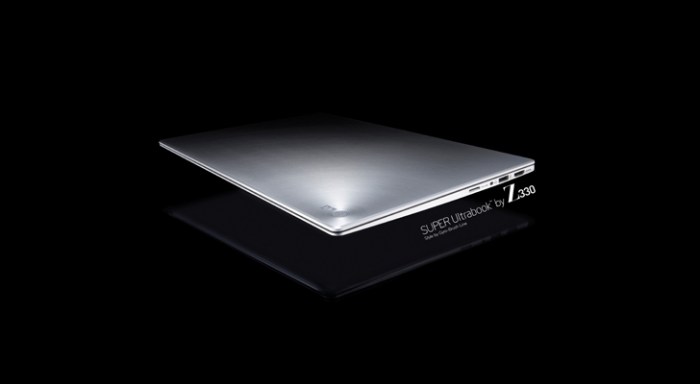
The Intel Ultrabook vision, promising a new era of portable computing, faces significant hurdles. Beyond the technological advancements, economic realities, regulatory landscapes, and societal impacts all play crucial roles in shaping the success or failure of this ambitious project. Understanding these challenges is essential for a balanced assessment of the Ultrabook’s potential.
Technological Hurdles and Limitations
Achieving the Ultrabook’s thin, light, and long-lasting design requires overcoming numerous technical limitations. Miniaturization of components, while enabling portability, necessitates advancements in battery technology and power management. The need for high-performance processors in a compact form factor places immense pressure on semiconductor design. For example, the continued shrinking of transistors requires new materials and fabrication techniques to maintain performance while reducing power consumption.
Meeting the demanding performance expectations while maintaining ultra-low power consumption is a significant engineering challenge.
- Miniaturization of Components: Shrinking components while maintaining performance and reliability is crucial for achieving the desired form factor. This necessitates advancements in materials science, chip design, and manufacturing processes. For instance, the development of new materials for heat dissipation and the refinement of manufacturing techniques are vital to ensure durability and performance in the reduced space.
- Battery Technology: Increased battery capacity and extended battery life are essential to maintain usability. Further research and development are needed to enhance the energy density and longevity of batteries. Alternative battery chemistries and charging technologies are being explored to address these limitations.
- Power Management: Efficient power management systems are vital to maximize battery life. Sophisticated algorithms and hardware solutions are required to dynamically adjust power consumption based on usage patterns.
Economic and Regulatory Considerations
The economic viability of the Ultrabook hinges on its affordability and market acceptance. Manufacturing costs and component prices need to be competitive to ensure widespread adoption. Regulatory compliance regarding energy efficiency and environmental impact also poses a significant challenge.
- Manufacturing Costs: The high cost of producing components for ultra-thin and lightweight devices could hinder affordability, potentially limiting market reach. Optimizing manufacturing processes and exploring cost-effective alternatives are crucial for mass production.
- Market Acceptance: Consumer adoption depends on factors such as price, performance, and design aesthetics. Intel needs to demonstrate a compelling value proposition that resonates with consumers.
- Regulatory Compliance: Meeting regulatory standards for energy efficiency, environmental impact, and product safety is critical for market access and long-term sustainability. Meeting regulatory standards can impact pricing and availability.
Societal Impacts of the Ultrabook’s Rise
The widespread adoption of Ultrabooks could lead to changes in societal behavior and technological dependence. Increased portability could lead to greater mobility and productivity. Environmental impacts of manufacturing and disposal also need to be carefully considered.
- Mobility and Productivity: Greater portability could lead to increased mobility and productivity for individuals. This could result in changes in how people work, learn, and interact with technology. The shift to remote work and learning has already showcased the need for powerful and portable devices.
- Environmental Impact: The environmental impact of manufacturing and disposal of electronic devices is a concern. Sustainable manufacturing processes and responsible recycling programs are crucial to mitigate environmental damage.
Final Thoughts
In conclusion, Intel’s vision for the ultrabook represents a significant evolution in portable computing. Fueled by technological breakthroughs in processor architecture and power management, the ultrabook is poised to become the dominant portable computing platform. However, challenges and considerations surrounding technological hurdles, economic factors, and societal impacts must be addressed for this vision to fully materialize. The future of ultrabook design and its impact on the wider market is a dynamic field ripe with potential.