Lg Puts 3d On Optimus Smartphone World Waits To See Why
LG Puts 3D on Optimus Smartphone: World Waits to See Why
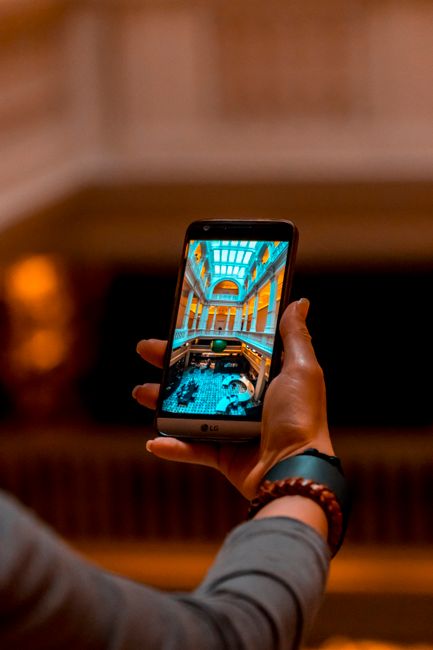
The integration of 3D display technology into a mainstream smartphone, specifically LG’s Optimus 3D, marked a significant, albeit somewhat perplexing, technological leap. This wasn’t merely an iteration; it was a bold declaration of intent from LG to push the boundaries of mobile entertainment and functionality. The question that immediately arose, and continues to resonate, is the fundamental "why" behind this decision. Why invest considerable research and development into embedding 3D capabilities into a device that was, at its core, a portable communication and computing tool? The answer lies in a confluence of factors: a belief in the nascent potential of glasses-free 3D, a desire to differentiate in a crowded market, and a strategic bet on a future where immersive mobile experiences would become the norm. LG’s gamble with the Optimus 3D was an attempt to anticipate and, perhaps, even dictate this future, positioning itself as a pioneer in a nascent technological frontier.
The technical underpinnings of the Optimus 3D’s 3D capabilities were a testament to LG’s engineering prowess. The device featured a dual-lens camera system capable of capturing stereoscopic images and videos. This was crucial; the ability to create 3D content was as important as the ability to display it. Without native 3D capture, users would be largely reliant on converted or downloaded 3D media, a limited and often suboptimal experience. The phone employed a parallax barrier or lenticular lens technology integrated into the display itself. This allowed for glasses-free 3D viewing, a critical factor for mass adoption. Unlike early 3D televisions that required cumbersome glasses, LG aimed for a seamless and intuitive 3D experience that could be enjoyed by anyone holding the device. The display resolution for 2D content was respectable for its time, but the transition to 3D often involved a slight trade-off in overall sharpness or brightness, a common characteristic of early glasses-free 3D panels. The processing power required to render two distinct images simultaneously for each eye, and to manage the complexities of stereoscopic display, was also a significant engineering challenge that LG addressed with a powerful chipset for the era. This combination of dual cameras, advanced display technology, and robust processing was the technical foundation upon which LG built its 3D smartphone ambition.
The market context in which the Optimus 3D was launched was one of intense competition. The smartphone landscape was dominated by Apple’s iPhone and a rapidly growing Android ecosystem populated by manufacturers like Samsung, HTC, and Motorola. Standing out was paramount. LG, while a significant player, often found itself playing catch-up or vying for attention in a market where product differentiation was becoming increasingly difficult. The 3D feature served as a clear and undeniable differentiator. It was a "wow" factor, a talking point that immediately set the Optimus 3D apart from its contemporaries. In an era where many flagship phones offered incremental upgrades in processor speed, camera megapixels, or screen size, LG opted for a paradigm shift, albeit a risky one. The company was clearly looking to capture a segment of the market that was eager for innovation and novel entertainment possibilities. They were betting that the novelty and perceived future-proofing of 3D would translate into consumer interest and sales, allowing them to carve out a unique niche.
The intended use cases for the Optimus 3D’s 3D capabilities were broad, encompassing gaming, multimedia consumption, and even productivity. LG actively promoted 3D gaming, partnering with game developers to release titles optimized for the device’s stereoscopic display. This was a logical extension, as 3D gaming offered a more immersive and engaging experience, adding depth and realism to virtual worlds. Beyond gaming, the phone was positioned as a portable 3D movie player and photo viewer. The ability to capture and share 3D photos and videos directly from the phone was a key selling point, aiming to foster a new form of personal media creation and consumption. LG envisioned users capturing family events, vacations, or even everyday moments in 3D, creating a more lifelike and memorable record. The inclusion of 3D video recording also hinted at future possibilities in mobile content creation, where users could potentially become creators of 3D experiences. While less emphasized, the potential for 3D in applications like navigation or augmented reality was also a theoretical possibility, suggesting a vision that extended beyond pure entertainment.
The "wait and see" aspect of the world’s reaction to LG’s 3D initiative stemmed from several inherent challenges and uncertainties surrounding the technology at the time. Firstly, the perceived necessity of 3D in a smartphone was questionable for many consumers. While the technology was novel, its practical utility beyond a novelty factor was not immediately apparent to everyone. Did users truly need their phone to display everything in 3D? The answer, for most, was a resounding no. Secondly, the quality of the 3D experience itself was a significant hurdle. Glasses-free 3D technology, while advancing, often suffered from limitations such as a narrow viewing angle, eye strain, and reduced image quality compared to 2D. This could lead to a suboptimal experience for many users, dampening enthusiasm. Thirdly, the availability of compelling 3D content was a critical bottleneck. While LG provided some pre-loaded content and encouraged developers, the ecosystem of 3D apps and media was still nascent. Without a robust library of 3D games, movies, and other content, the 3D feature risked becoming a redundant gimmick. Finally, the price point of devices with advanced technologies like 3D was often higher, making the investment a harder sell for consumers already grappling with the decision of whether the feature was worth the premium. This combination of consumer doubt, technological limitations, content scarcity, and price sensitivity contributed to the widespread anticipation and skepticism surrounding the Optimus 3D.
The long-term implications of LG’s foray into 3D smartphones are complex and multifaceted. While the Optimus 3D itself may not have achieved massive commercial success or fundamentally altered the trajectory of smartphone design overnight, its impact is still discernible. It represented a bold experiment that pushed the boundaries of mobile display technology and content creation. The development and refinement of glasses-free 3D displays in devices like the Optimus 3D contributed to the broader understanding and advancement of stereoscopic technologies, which eventually found applications in other areas, albeit not in the widespread, glasses-free smartphone form factor LG initially envisioned. The experience also served as a valuable lesson for LG and the industry regarding consumer adoption of new technologies. It highlighted the importance of a well-developed content ecosystem, a seamless user experience, and a clear demonstration of practical utility beyond mere novelty. While the immediate "why" might have seemed elusive to some, LG’s gamble with the Optimus 3D was a significant step in exploring the potential of immersive mobile experiences, even if the market wasn’t entirely ready for its full realization. The quest for more engaging and immersive mobile interactions continues, and lessons learned from such pioneering devices undoubtedly inform the innovations we see today.