

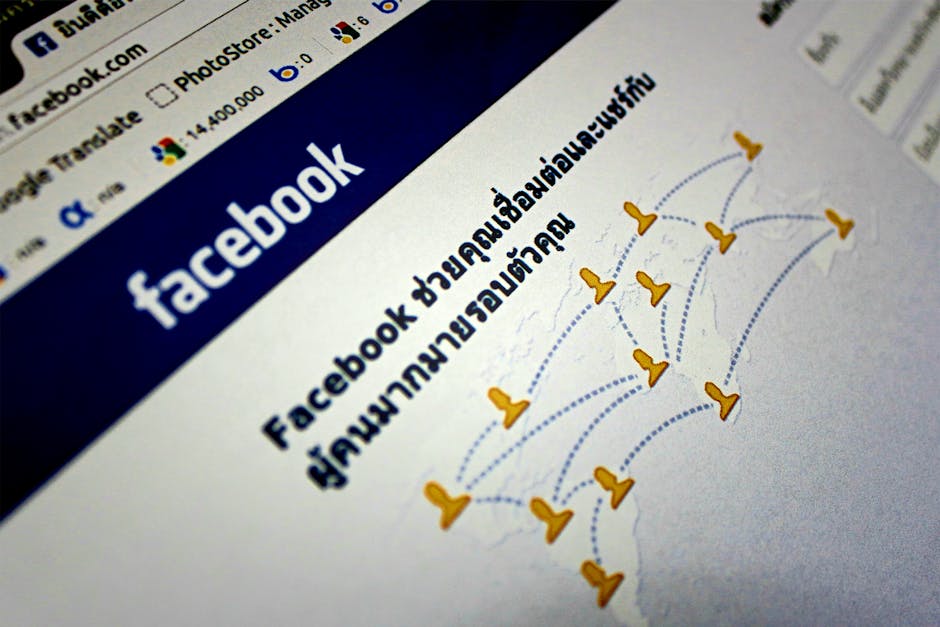
Social Disease: Worm Writhes Through Facebook
The insidious spread of misinformation, often referred to colloquially as a "social disease worm," has found a fertile breeding ground on Facebook. This digital parasite, fueled by algorithms designed for engagement and amplified by human psychology, corrupts rational discourse and erodes trust, manifesting as a persistent and damaging infestation within the platform’s social fabric. Unlike biological worms that infect the physical body, these social worms target the collective consciousness, manipulating perceptions, fostering division, and ultimately impacting real-world behaviors and decisions. Understanding the mechanisms of this infestation, its symptoms, and its consequences is crucial for anyone seeking to navigate the complexities of online interaction and preserve the integrity of public discourse. The very architecture of Facebook, with its emphasis on rapid sharing, emotional reactions, and curated content feeds, inadvertently creates an environment where these detrimental narratives can thrive and multiply.
The genesis of this "worm" lies in the potent cocktail of user behavior and platform design. Facebook’s algorithms, prioritizing content that elicits strong emotional responses, inadvertently favor sensational, outrageous, and often false information. Negative emotions, such as fear, anger, and outrage, tend to generate higher engagement rates – likes, shares, and comments – than nuanced or balanced perspectives. This algorithmic bias creates a feedback loop: the more engaging a piece of misinformation is, the more it is promoted, reaching a wider audience and encouraging further engagement. This is akin to a biological worm that, upon finding a rich source of sustenance, multiplies rapidly, overwhelming the host. Furthermore, the echo chamber effect, a phenomenon where users are primarily exposed to information that confirms their existing beliefs, exacerbates the problem. Within these self-reinforcing bubbles, misinformation can circulate unchecked, gaining an illusion of widespread acceptance and validity. Users become less critical of information that aligns with their pre-existing worldview, making them more susceptible to manipulation. The speed at which information, both true and false, can travel on Facebook is another critical factor. A viral post, even if demonstrably false, can reach millions of users within hours, its untruths solidifying in minds before any fact-checking can effectively counter them. This rapid dissemination is a hallmark of a successful infestation, where the pathogen spreads quickly before the host can mount an immune response.
Symptoms of the "social disease worm" on Facebook are varied and often insidious. One of the most prominent is the erosion of critical thinking. As users are bombarded with a constant stream of information, often lacking verifiable sources or presented with emotional appeals, the ability to discern fact from fiction diminishes. This leads to a widespread acceptance of unsubstantiated claims and conspiracy theories. Another symptom is the polarization of society. Misinformation frequently targets specific groups, sowing discord and exacerbating existing societal divisions. False narratives about political opponents, social groups, or public health issues create an "us vs. them" mentality, hindering constructive dialogue and fostering animosity. This mirrors the way certain parasites can weaken a host’s immune system, making it vulnerable to secondary infections. The rise of "fake news" and its tangible impact on real-world events, such as elections and public health crises, serves as a stark indicator of this infestation’s severity. Trust in institutions, including traditional media, scientific bodies, and government agencies, is also a casualty. When misinformation is actively promoted and widely believed, it undermines the authority and credibility of these essential pillars of a functioning society. The consequence is a populace adrift, uncertain whom or what to believe, making them more susceptible to further manipulation.
The "worm" thrives on several psychological vulnerabilities inherent in human nature. Confirmation bias, the tendency to favor information that confirms pre-existing beliefs, plays a significant role. Users actively seek out and readily accept information that aligns with their worldview, even if it is factually inaccurate. This makes them less likely to engage with counter-arguments or evidence that challenges their beliefs, effectively creating mental barriers against truth. The bandwagon effect, the inclination to do or believe things because many other people do or believe the same, also contributes to the spread. When a piece of misinformation starts to gain traction, its perceived popularity can make it seem more credible, encouraging further sharing and acceptance. This is akin to a viral infection where its spread is accelerated by the sheer number of infected individuals. Emotional contagion, the phenomenon where emotions are transferred from one person to another, is another key factor. Outrageous or fear-inducing content can quickly spread a wave of negative emotion through a network, overriding rational thought and promoting impulsive sharing. The desire for social validation also plays a part. Sharing popular or trending content, even if questionable, can be seen as a way to gain social approval and belonging within online communities. This creates an incentive to propagate the "worm" rather than challenge it.
The economic and political ramifications of this social disease are profound. Economically, the spread of misinformation can lead to poor consumer decisions, damage brand reputations, and even destabilize markets. For instance, false claims about health products can lead individuals to make harmful choices, while rumors about companies can trigger stock price volatility. Politically, the impact is even more severe. Misinformation campaigns can be weaponized to influence elections, sow political instability, and undermine democratic processes. Foreign actors and domestic groups with vested interests can exploit Facebook’s reach to spread propaganda, polarize electorates, and erode public trust in democratic institutions. The "worm" can actively weaken the body politic, making it susceptible to more severe forms of political decay. This can manifest as increased social unrest, a decline in civic participation, and a weakening of democratic norms and values. The very foundation of informed citizenry, essential for a healthy democracy, is eroded by the constant barrage of falsehoods.
Combating the "social disease worm" requires a multi-pronged approach, involving platform responsibility, user education, and technological solutions. Facebook, as the primary vector of this infestation, bears a significant responsibility to mitigate its spread. This includes investing in robust content moderation systems, employing human fact-checkers, and improving transparency around its algorithms. The platform needs to shift its algorithmic priorities away from pure engagement and towards the promotion of credible information and healthy discourse. This might involve downranking sensationalist content, prioritizing authoritative sources, and providing users with more context and tools to evaluate information. Just as an organism develops antibodies to fight off infection, a healthy online environment needs mechanisms to identify and neutralize harmful narratives. Educating users about media literacy, critical thinking skills, and the psychological tactics used in misinformation campaigns is equally crucial. Empowering individuals to question what they see, verify sources, and resist emotional manipulation is the most effective long-term defense. This is akin to building a stronger immune system within the population. Technological solutions, such as AI-powered detection of misinformation and the use of blockchain for content verification, also hold promise, though they are not without their limitations and potential for misuse.
The persistent nature of this "worm" necessitates ongoing vigilance and adaptation. As misinformation tactics evolve, so too must the strategies for combating them. The current landscape of online discourse is a constant battleground, and a passive approach will inevitably lead to further erosion of trust and truth. The algorithms that once fueled engagement now risk becoming instruments of mass delusion. Therefore, a fundamental re-evaluation of Facebook’s role in shaping public opinion is paramount. This involves a willingness to prioritize societal well-being over unfettered growth and engagement metrics. The ongoing evolution of the "worm" also means that solutions must be dynamic, capable of adapting to new forms of manipulation and dissemination. The digital equivalent of evolutionary arms race is underway, and only through sustained effort and innovation can the tide be turned. The long-term health of our digital commons, and by extension, our societies, depends on our ability to effectively address this pervasive and damaging social disease. Failure to do so risks a future where shared reality dissolves, replaced by a cacophony of conflicting and harmful narratives, leaving individuals isolated and vulnerable to further exploitation.










No comments yet. Be the first to join the conversation!