

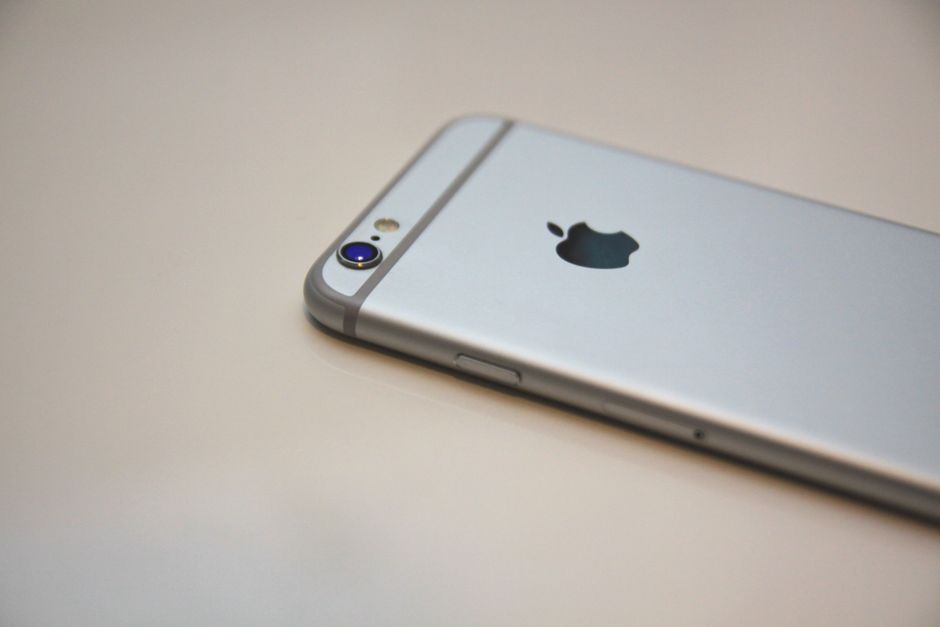
HP’s Ascent: Charting a Course for the Next Tech Titan
Hewlett-Packard (HP), a venerable name in the personal computing and printing industries, stands at a critical juncture. While Apple has redefined consumer electronics through its seamless ecosystem, premium branding, and relentless innovation, HP possesses the foundational elements and untapped potential to emulate this trajectory. This article will explore the strategic shifts, product development philosophies, and market positioning required for HP to transcend its current status and emerge as the next dominant force in the tech landscape, rivaling Apple’s influence and profitability.
The core of HP’s potential lies in its established manufacturing prowess and extensive distribution network. Unlike Apple, which built its empire from the ground up, HP has decades of experience producing hardware at scale. This is not a weakness to be overcome but a formidable advantage to be leveraged. The challenge lies in transforming this manufacturing might from a cost center into a strategic differentiator. By focusing on vertical integration of key component sourcing and refining its supply chain for greater agility, HP can achieve cost efficiencies that allow for more competitive pricing without sacrificing quality. Furthermore, this control over production can enable faster iteration on product designs and a quicker response to market trends, areas where Apple often sets the pace. The transition requires a deep dive into optimizing every stage of the production lifecycle, from raw materials to final assembly, ensuring that cost savings are reinvested into research and development and marketing, not merely absorbed into profit margins.
Branding is paramount in the tech world, and Apple’s success is intrinsically linked to its aspirational image. HP needs to shed its perception as a utilitarian, business-centric brand and cultivate a premium, lifestyle-oriented identity. This involves a radical overhaul of its marketing and advertising strategies, moving away from technical specifications and towards storytelling that evokes emotion, creativity, and personal empowerment. The "I’m a Mac, I’m a PC" campaign, though dated, highlighted a crucial difference in perception. HP needs its products to be seen not just as tools, but as extensions of the user’s identity and aspirations. This necessitates a deliberate shift in product design, prioritizing aesthetics, user experience, and intuitive functionality as much as raw performance. Think minimalist design language, premium materials, and a focus on the joy of interaction. This rebranding effort must be holistic, permeating every touchpoint from packaging and retail displays to customer service and online presence.
The ecosystem is Apple’s undisputed stronghold. HP, with its diverse product portfolio spanning PCs, printers, and accessories, has the raw materials to build its own interconnected digital world. The key is not to replicate Apple’s closed garden but to create an open, yet seamlessly integrated, experience. Imagine a future where an HP Spectre laptop effortlessly syncs with an HP Envy tablet, where printing a document from your HP smartphone is as simple as tapping an icon, and where all your HP devices communicate and share data intelligently. This requires significant investment in software development, particularly in cloud services and operating system integration. HP could develop its own proprietary operating system for a select range of devices, or more realistically, enhance its offerings within existing platforms like Windows and Android to create a unified experience. This ecosystem play is not just about convenience; it’s about creating vendor lock-in, albeit a user-friendly one. Customers who invest in an HP ecosystem will find it increasingly beneficial to stay within it, fostering loyalty and recurring revenue streams.
Innovation must be the lifeblood of any aspiring tech titan, and HP has a history of groundbreaking contributions. The company needs to reignite this spirit, focusing R&D efforts on truly disruptive technologies rather than incremental upgrades. This means identifying emerging trends like advanced AI integration, augmented reality, and sustainable computing and investing heavily in their development. HP could establish dedicated innovation labs, perhaps acquiring promising startups, and foster a culture that encourages risk-taking and ambitious moonshot projects. Imagine HP leading the charge in truly personalized computing, where devices learn and adapt to individual user habits and needs, or developing printers that utilize revolutionary, eco-friendly ink technologies that significantly reduce environmental impact. The focus should be on creating products that solve unmet needs and redefine possibilities, not just improve existing ones.
The PC market, while mature, still holds immense potential for differentiation. HP needs to move beyond offering a vast array of generic configurations and instead focus on creating distinct product lines that cater to specific user needs and aspirations with premium branding. The Spectre line, with its focus on design and premium features, is a good starting point. HP could further segment its offerings, creating distinct lines for creative professionals (e.g., powerful workstations with advanced color accuracy and stylus support), students (e.g., durable, affordable devices with robust software suites), and gamers (e.g., high-performance machines with cutting-edge graphics). Each line needs a clear identity, a unique design language, and a curated set of features that speak directly to its target audience. This segmentation, coupled with a premium pricing strategy for these specialized offerings, will allow HP to capture higher profit margins and solidify its position in niche markets.
The printing business, often seen as a legacy segment, can be revitalized as a cornerstone of HP’s ecosystem. Instead of merely selling hardware, HP should transform its printing division into a subscription-based service. Imagine a "print-as-you-go" model where consumers pay a monthly fee for unlimited ink or toner, bundled with cloud-based document management and secure printing solutions. This recurring revenue model, similar to Apple’s services strategy, provides predictable income and fosters continuous engagement with the HP brand. Furthermore, HP could leverage its printing technology to innovate in areas like 3D printing for consumers or specialized printing solutions for businesses, further diversifying its revenue streams and reinforcing its hardware ecosystem. The key is to move from transactional sales to ongoing relationships, adding value beyond the initial purchase.
Customer experience is another area where Apple excels, and HP has a significant opportunity to differentiate itself. This means investing in a world-class customer support system that is responsive, knowledgeable, and proactive. Imagine a personalized digital assistant integrated into all HP devices that can troubleshoot issues, offer tips, and even anticipate problems before they arise. This would involve leveraging AI and machine learning to provide predictive support and personalized recommendations. Furthermore, HP needs to streamline its online purchasing experience, making it as intuitive and enjoyable as Apple’s. This includes clear product information, easy navigation, personalized recommendations, and a frictionless checkout process. A positive post-purchase experience, from setup to ongoing support, is crucial for building customer loyalty and fostering positive word-of-mouth marketing.
Strategic partnerships are vital for expanding reach and accelerating innovation. HP should actively seek out collaborations with software developers, content creators, and other tech companies to enrich its ecosystem and offer compelling value-added services. Imagine HP partnering with leading creative software companies to offer bundled subscriptions with its premium devices, or collaborating with streaming services to provide exclusive content experiences across its devices. These partnerships can expand HP’s offerings beyond hardware, making its ecosystem more attractive and indispensable to consumers. Furthermore, HP could explore partnerships with educational institutions to develop curriculum and provide devices that foster digital literacy from an early age, establishing brand loyalty early in a consumer’s life.
The enterprise market is a significant revenue driver for HP, and it should be leveraged as a strategic advantage. While Apple has made inroads into the enterprise with its iPads and Macs, HP has a deep-seated understanding of business needs and IT infrastructure. By developing enterprise-grade solutions that seamlessly integrate with its consumer offerings, HP can create a compelling value proposition for businesses. This includes secure cloud-based management tools, robust data security solutions, and specialized hardware for various industry verticals. By offering a unified IT ecosystem that spans both employee devices and business operations, HP can become an indispensable partner for businesses seeking efficiency and innovation. This integrated approach can also lead to opportunities for selling premium support and consulting services, further diversifying revenue.
The path for HP to become the next Apple is not a sprint but a marathon. It requires a fundamental shift in mindset, a commitment to bold innovation, and a relentless focus on the customer experience. By leveraging its manufacturing strengths, reimagining its brand identity, building a seamless ecosystem, and investing in disruptive technologies, HP can transcend its current position and establish itself as a true tech titan. This transformation is achievable, but it demands a strategic vision, unwavering execution, and a willingness to redefine what it means to be a leading technology company in the 21st century. The foundation is there; the execution will determine the outcome.









No comments yet. Be the first to join the conversation!