

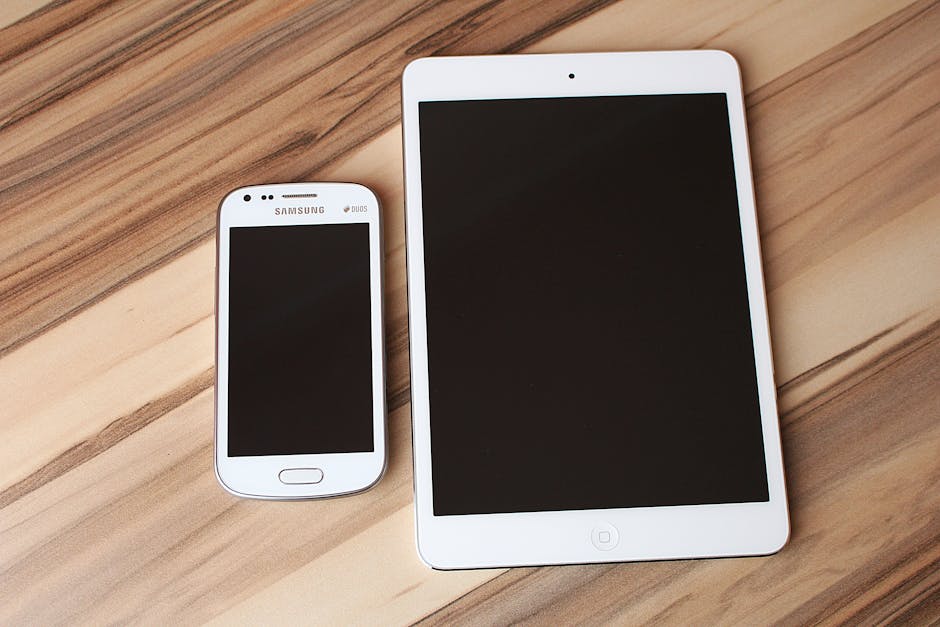
Is Samsung Obsessed with Size? A Deep Dive into Samsung’s Smartphone and Device Dimensions
Samsung’s smartphone and device philosophy has often been characterized by a relentless pursuit of larger screen real estate. From its early flagship Galaxy S series to its foldable innovations and tablet offerings, the South Korean tech giant has consistently pushed the boundaries of what’s considered "big" in consumer electronics. This deliberate focus on size isn’t an accident; it’s a strategic decision that has shaped its product portfolio, influenced market trends, and ultimately contributed to its dominant position in the global technology landscape. Examining Samsung’s product history reveals a clear and sustained commitment to offering larger devices, driven by a combination of technological advancements, evolving consumer preferences, and a desire to cater to diverse use cases.
The narrative of Samsung’s size obsession can be traced back to the early days of the smartphone revolution. While early smartphones, epitomized by Apple’s iPhone, favored a more compact, pocketable form factor, Samsung recognized a burgeoning demand for devices that offered a more immersive viewing experience. The introduction of larger displays on models like the Galaxy Note series, with its stylus and expansive screen, marked a significant departure. This was not merely about fitting more pixels; it was about enabling new functionalities. The Note series pioneered the "phablet" category, demonstrating that a larger screen could be leveraged for productivity tasks, enhanced media consumption, and a more comfortable reading and browsing experience. This was a calculated gamble that paid off handsomely, proving that there was a substantial market segment willing to embrace larger smartphones if they offered tangible benefits.
Beyond the Galaxy Note, Samsung’s flagship Galaxy S series also gradually increased in size. While the initial Galaxy S models were relatively compact, subsequent generations saw a consistent upward trend in display dimensions. This expansion wasn’t a sudden leap but a measured evolution, mirroring a broader industry shift. As mobile internet became more prevalent and users spent more time engaging with apps, games, and video content on their phones, the limitations of smaller screens became more apparent. Samsung, with its deep vertical integration in display technology, was perfectly positioned to capitalize on this trend. They could produce larger, higher-resolution displays at scale, offering a competitive edge to their devices. This allowed them to cater to users who prioritized visual real estate for multitasking, gaming, and content creation.
The advent of foldable smartphones further cemented Samsung’s commitment to large displays. The Galaxy Fold and its successors, such as the Galaxy Z Fold 2, Z Fold 3, and Z Fold 4, represent the pinnacle of this pursuit. These devices offer a traditional smartphone experience in a compact form factor that then unfolds to reveal a tablet-sized screen. This duality allows users to enjoy the portability of a smartphone with the expansive canvas of a tablet, blurring the lines between device categories. Samsung’s consistent investment and iteration in foldable technology underscore their belief that larger, more versatile displays are the future of personal computing. Their willingness to experiment with and refine these complex designs, despite initial market skepticism, highlights their deep-seated conviction that size matters when it comes to delivering premium mobile experiences.
Samsung’s obsession with size extends beyond smartphones to other product categories. Their tablet offerings, from the entry-level Galaxy Tab A series to the premium Galaxy Tab S series, consistently feature large, vibrant displays. These tablets are designed to be digital companions for entertainment, productivity, and creativity, and a larger screen is fundamental to fulfilling these roles effectively. Similarly, Samsung’s smart TVs have become synonymous with enormous screen sizes, pushing the boundaries of home entertainment. While this article focuses on portable devices, the underlying philosophy of providing immersive visual experiences through larger displays is a consistent thread across Samsung’s entire product ecosystem.
Several key factors contribute to Samsung’s strategic emphasis on size. Firstly, technological advancements in display manufacturing have made larger, thinner, and more power-efficient screens a reality. Samsung’s prowess in OLED and AMOLED technology allows them to create stunning, vibrant displays that are not only larger but also offer superior contrast ratios and color reproduction. This technological capability removes many of the practical barriers to creating larger devices, making them more feasible and appealing.
Secondly, evolving consumer behavior and expectations play a crucial role. As smartphones have become indispensable tools for work, communication, and entertainment, users have increasingly gravitated towards devices that can handle a wider range of tasks. Larger screens facilitate multitasking, allowing users to split-screen apps, view complex documents, and engage with content more comfortably. For many, a larger phone isn’t just about having more screen; it’s about having a more capable and versatile device that can replace the need for a separate tablet or even a laptop for certain tasks.
Thirdly, market differentiation and leadership are significant drivers. By consistently offering larger, more innovative display solutions, Samsung has carved out a distinct niche for itself. While competitors may follow suit, Samsung’s early and sustained commitment has often positioned them as the pioneers and trendsetters in this space. This leadership allows them to command premium pricing and build brand loyalty among consumers who seek the latest and greatest in display technology.
However, the pursuit of size is not without its trade-offs. Larger devices can be less portable, making them difficult to hold with one hand or slip into a pocket. They can also be heavier and more cumbersome. Samsung has attempted to mitigate these drawbacks through various design innovations, such as ergonomic curves, lightweight materials, and software optimizations like one-handed mode. The advent of foldable phones is a prime example of their efforts to reconcile the desire for large screens with the need for portability.
The SEO implications of Samsung’s size focus are also noteworthy. Keywords like "large screen phone," "big display smartphone," "best phablet," "foldable phone," and "tablet with large screen" are highly relevant to consumers actively searching for these types of devices. Samsung’s consistent product releases and marketing efforts around these features naturally rank well for these search terms, drawing in a significant portion of the relevant online audience. Their extensive product lines with variations in screen size (e.g., standard vs. Plus models) further cater to a wider range of search queries, allowing them to capture a broad spectrum of user intent.
Furthermore, Samsung’s strategy caters to different user personas. Power users and mobile gamers often prefer larger displays for their immersive qualities and multitasking capabilities. Professionals who rely on their devices for productivity tasks, such as email, document editing, and presentations, also benefit from the increased screen real estate. Even casual users who primarily consume media, such as watching videos or browsing social media, find larger screens to be more enjoyable and less fatiguing. Samsung’s diverse product portfolio, with different screen sizes and feature sets within their Galaxy S, Galaxy Z, and Galaxy Tab lines, allows them to effectively target these varied demographics.
The future of Samsung’s device philosophy regarding size remains a compelling topic. While the trend towards larger screens has been dominant, there’s also a segment of the market that still values compactness. Samsung’s dual-pronged approach, offering both expansive displays on their flagships and foldables, alongside more traditionally sized (though still relatively large by older standards) devices like the standard Galaxy S models, suggests a pragmatic understanding of market demand. The potential for even larger foldable devices or entirely new form factors that further integrate display technology into everyday objects also points towards a continued, albeit potentially evolving, focus on screen real estate.
In conclusion, Samsung’s consistent and prominent focus on offering larger screens across its smartphone and device portfolio is not a fleeting trend but a deeply ingrained strategic pillar. Driven by technological innovation, evolving consumer preferences for immersive and productive mobile experiences, and a desire for market differentiation, Samsung has consistently pushed the boundaries of device size. While challenges related to portability exist, the company’s ongoing innovation in areas like foldable technology demonstrates a commitment to finding solutions that reconcile the desire for expansive displays with practical usability. This sustained emphasis on size has undeniably shaped the mobile landscape and continues to be a defining characteristic of Samsung’s product strategy, resonating strongly with consumers and driving significant search interest for large-display devices.













No comments yet. Be the first to join the conversation!