

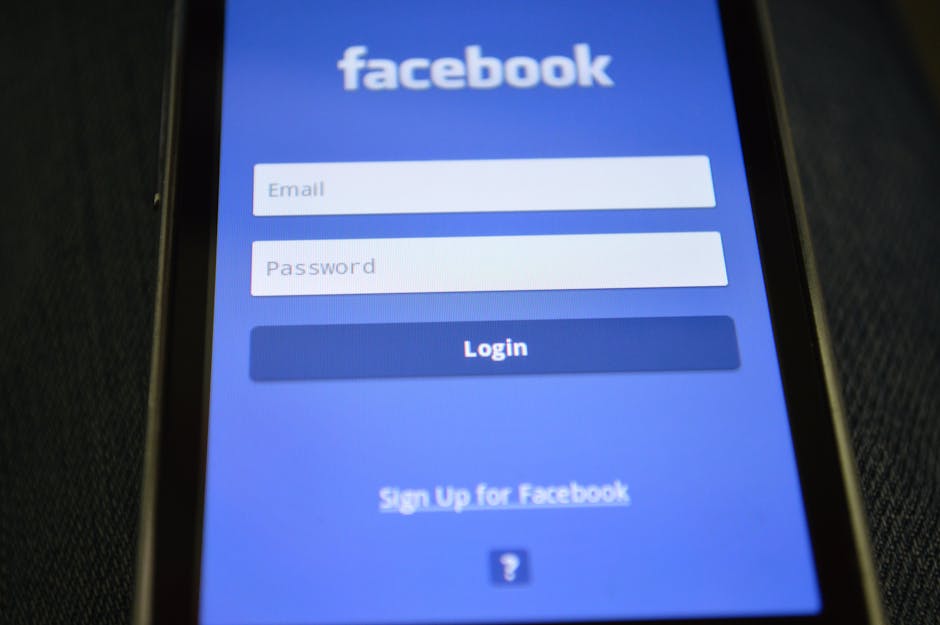
Social Networking Leaves Email in the Dust: A Paradigm Shift in Digital Communication
The assertion that social networking has definitively outpaced email as the primary mode of digital communication is not hyperbole; it represents a fundamental shift in how individuals, businesses, and entire communities interact. While email remains a vital tool for formal communication, transactional exchanges, and record-keeping, its dominance in daily, dynamic, and community-driven interaction has been eclipsed by the rise of social platforms. This seismic shift is driven by a confluence of factors including immediacy, interactivity, reach, engagement, and the inherent human desire for connection and belonging, all of which social networking platforms are designed to facilitate with unparalleled effectiveness. The user experience on social media is inherently more engaging and visually stimulating than the often utilitarian and text-heavy nature of email. Platforms like Facebook, Instagram, X (formerly Twitter), LinkedIn, and TikTok offer rich multimedia experiences, enabling users to share photos, videos, live streams, and interactive content that fosters deeper and more immediate emotional connections. This visual and participatory element is a stark contrast to the predominantly text-based, asynchronous nature of email. The ability to receive instant notifications, engage in real-time conversations, and participate in group discussions creates a sense of immediacy and involvement that email simply cannot replicate.
The rapid evolution of social networking platforms from simple connection tools to sophisticated ecosystems has fundamentally altered the communication landscape. These platforms have transcended their initial purpose, morphing into powerful hubs for information dissemination, community building, brand interaction, and even professional networking. Consider the sheer volume of daily interactions occurring across social media. Millions, if not billions, of users are actively posting, commenting, liking, and sharing content every second of every day. This constant stream of activity dwarfs the typical volume of email traffic for most individuals and even many organizations. The asynchronous nature of email, while once a strength for its flexibility, now represents a significant drawback in a world that values instant gratification and rapid response. Users expect immediate feedback and engagement, a demand perfectly met by the real-time nature of social media conversations. The algorithms governing social feeds are designed to prioritize engaging content, ensuring that users are constantly exposed to relevant and interesting updates, thereby fostering continuous interaction.
Furthermore, the inherent virality and network effects of social media amplify reach and influence in ways that email communication can only dream of. A single post on a popular social platform can be seen and shared by thousands, even millions, of individuals within minutes, creating organic reach that is virtually impossible to achieve through individual email campaigns. This democratizes information sharing and empowers individuals and smaller organizations to gain significant visibility without substantial advertising budgets. The ability to target specific demographics and interests through sophisticated advertising tools further enhances this reach, making social media a potent tool for marketing, public relations, and awareness campaigns. The collaborative nature of social media also fosters user-generated content and community-driven narratives, which are often perceived as more authentic and trustworthy than marketer-generated email content.
The shift is particularly evident in how businesses engage with their customers. Social media has become the frontline for customer service, brand building, and community management. Customers no longer wait patiently for email responses; they expect immediate support and interaction through social channels. Brands that fail to establish a strong social media presence risk becoming invisible or perceived as out of touch. The ability to monitor social conversations, respond to inquiries in real-time, and even proactively address customer concerns on public forums builds trust and loyalty. This direct, conversational approach fosters a sense of transparency and accessibility that is often lacking in traditional email-based customer service. Moreover, social media provides invaluable insights into customer sentiment, market trends, and competitor activities through real-time data analysis, enabling businesses to adapt and innovate more effectively.
For professional networking, platforms like LinkedIn have revolutionized how individuals build and maintain professional connections. The ability to showcase skills, experience, and achievements, connect with industry peers, and discover job opportunities has made LinkedIn an indispensable tool for career advancement. This goes far beyond the limited networking capabilities of email, which often relies on pre-existing connections or formal introductions. LinkedIn facilitates serendipitous encounters, allows for the discovery of new talent, and provides a dynamic platform for professional discourse and knowledge sharing. The emphasis on professional branding and curated online presence within LinkedIn contributes to a more strategic and impactful approach to career development than a simple email signature or resume ever could.
The younger generations, digital natives who have grown up with social media as an integral part of their lives, are the most significant drivers of this shift. For them, social media is not just a communication tool; it is a primary mode of identity expression, social interaction, and information consumption. Email, in comparison, often feels antiquated and cumbersome, primarily associated with formal obligations rather than spontaneous social engagement. Their reliance on visual content, ephemeral stories, and instant messaging within social apps underscores their preference for dynamic, interactive, and highly accessible communication channels. This generational preference is shaping the future of digital communication, making it imperative for businesses and organizations to adapt their strategies accordingly.
The evolution of content consumption further illustrates the decline of email’s dominance. People are increasingly consuming information through short-form videos, visual feeds, and interactive stories. Social media platforms are optimized for this type of consumption, offering curated content streams that cater to individual preferences. Email, with its often lengthy text-based formats, struggles to compete for attention in this fast-paced, visually driven information environment. The ability of social media to deliver bite-sized, engaging content that can be easily shared and discussed makes it a far more appealing medium for the modern information consumer.
The sense of community and belonging fostered by social networking platforms is another critical factor. These platforms allow individuals to connect with like-minded people, join groups based on shared interests, and participate in online communities that offer support, information, and a sense of shared identity. This aspect of social networking addresses a fundamental human need for connection and belonging, something that email, by its very nature, is ill-equipped to provide. The ability to form and maintain relationships, both personal and professional, through shared experiences and ongoing interactions on social media is a powerful draw. Online communities can offer a sense of solidarity and support that is often difficult to find in the isolation of individual email correspondence.
From a marketing and advertising perspective, social media offers unparalleled opportunities for targeted engagement and brand building. Advertisers can leverage granular data to reach specific demographics, interests, and behaviors, resulting in more efficient and effective campaigns. The ability to track engagement metrics, analyze campaign performance in real-time, and iterate on strategies based on immediate feedback provides a level of agility and insight that email marketing, while still relevant for certain purposes, simply cannot match. The interactive nature of social media also allows for two-way conversations with consumers, fostering brand loyalty and providing valuable customer feedback.
The shift is not to say that email is obsolete. It retains its crucial role for formal documentation, transactional communication, and situations requiring a permanent, verifiable record. However, its reign as the primary communication channel for everyday interaction, community building, and dynamic engagement has definitively ended. The future of digital communication is undeniably social, interactive, and visual, and social networking platforms are leading the charge, leaving email to serve its essential, albeit diminished, purpose. The ongoing innovation within social media, with new features and platforms constantly emerging, will only further solidify this paradigm shift. The ability to adapt to these evolving communication landscapes is no longer optional; it is a necessity for staying relevant and connected in the digital age. The constant influx of new features and functionalities within social platforms, from augmented reality filters to live shopping experiences, demonstrates their commitment to staying at the forefront of digital interaction, further solidifying their dominance. This adaptability and continuous innovation are key differentiators that email, by its inherent nature, cannot replicate. The user experience on social media is designed for instant gratification and continuous engagement, a stark contrast to the often more deliberate and functional nature of email. The ability to broadcast messages to a wide audience simultaneously, coupled with the ease of interaction and feedback, makes social media a far more dynamic and engaging communication medium.










No comments yet. Be the first to join the conversation!