

Chrome OS Ascendant: Winners and Losers in a Cloud-Native Computing World
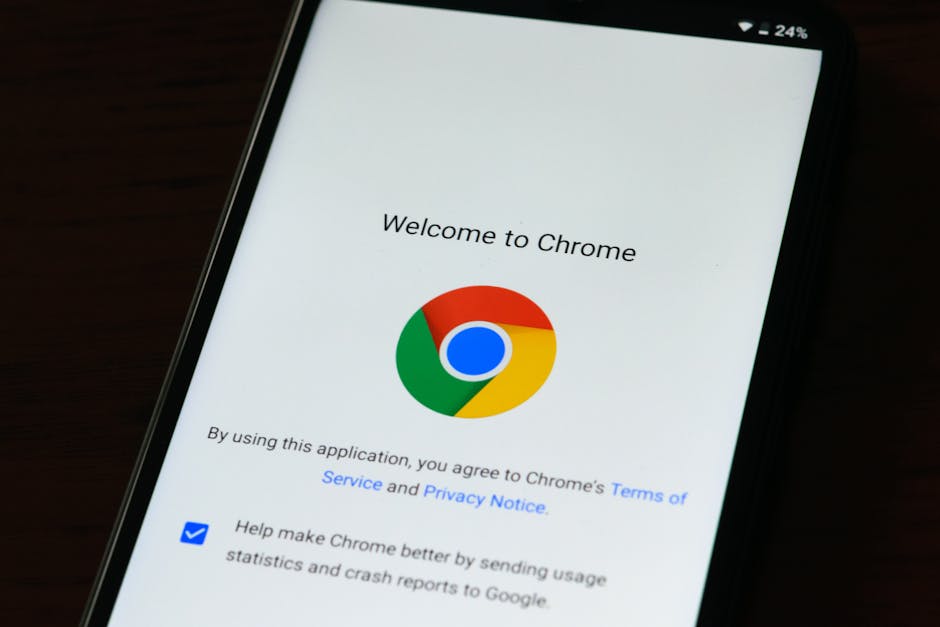
Should Google’s Chrome OS achieve widespread adoption, fundamentally shifting computing paradigms towards a cloud-centric model, the repercussions will ripple across the technological landscape, creating distinct winners and losers. The core of this shift lies in Chrome OS’s inherent design: a lightweight operating system built around web applications and cloud storage, prioritizing simplicity, security, and affordability. If this vision truly takes hold, it will signify a departure from the traditional desktop-centric model dominated by Windows and macOS, with profound implications for hardware manufacturers, software developers, consumers, and enterprise IT departments.
The primary beneficiaries of a Chrome OS ascendant world would undoubtedly be Google itself. Its search and advertising empire, already deeply integrated with the Chrome browser, would gain an even more powerful ecosystem. Chrome OS devices naturally funnel users into Google services like Gmail, Google Drive, Google Docs, and Google Meet. Increased adoption translates to more data collection, more engagement with Google’s advertising platforms, and a stronger lock-in effect for its cloud-based productivity suite. Furthermore, Google’s hardware ambitions, exemplified by Pixelbooks and its ongoing investment in Chromebook development, would see a massive validation and expansion. The company’s ability to control the entire user experience, from the operating system to the bundled services and potentially even the underlying hardware through strategic partnerships, would be significantly enhanced. This vertical integration is a key strategic advantage for Google, allowing for tighter control over innovation and a more seamless, unified user experience that is difficult for competitors to replicate. The sustained growth of Chrome OS would also solidify its position as a major player in the operating system market, challenging the long-held duopoly of Windows and macOS.
Hardware manufacturers specializing in affordable, low-power devices stand to gain immensely. Companies like Acer, ASUS, Lenovo, and HP, which have already heavily invested in the Chromebook market, would see a surge in demand for their cost-effective laptops and potentially even tablets. The simplicity of Chrome OS allows for less powerful, less expensive hardware to provide a performant user experience, making these devices attractive for educational institutions, budget-conscious consumers, and small businesses. The emphasis on cloud computing also reduces the need for powerful local storage and processing, further driving down hardware costs. This segment of the market, often overlooked by those focused on high-end performance, would become a primary battleground for device sales. The continued innovation in this space, driven by demand for Chrome OS devices, would likely lead to even more refined and versatile affordable hardware, further entrenching Chrome OS’s dominance in its target segments.
Cloud service providers, beyond Google, would also see increased opportunities. While Google Drive would likely be the default, the open nature of Chrome OS means users could easily opt for alternatives like Dropbox, OneDrive, or any other cloud storage solution. This would foster greater competition and innovation in the cloud storage and productivity software sectors, as developers would have a larger, more accessible platform to build and deploy their web-based applications. The demand for robust, secure, and user-friendly web applications would skyrocket. This trend would also benefit companies developing specialized SaaS (Software as a Service) solutions, as businesses and individuals would be looking to replicate or enhance their existing desktop workflows within the Chrome OS cloud environment. The accessibility of web apps across various devices and locations would become even more critical for business continuity and productivity.
Educational institutions and governments are likely to be significant winners. The cost-effectiveness, ease of management, and enhanced security of Chrome OS devices make them ideal for large-scale deployments in schools and public sector organizations. The centralized management console provided by Google simplifies IT administration, reducing overhead and allowing educators to focus on teaching rather than troubleshooting. The reduced risk of malware and the simplified update process inherent in Chrome OS also contribute to a more secure and stable computing environment, which is paramount in these settings. The long-term trend of digital transformation within these sectors would find a natural and cost-efficient ally in Chrome OS. Furthermore, the standardization of devices and operating systems would streamline curriculum development and teacher training.
Conversely, Microsoft would face the most significant challenges and likely be the biggest loser. Windows, the dominant desktop operating system for decades, is intrinsically tied to the traditional PC hardware model. If Chrome OS becomes the primary computing platform, the demand for traditional Windows laptops and desktops would plummet, severely impacting Microsoft’s operating system licensing revenue and its broader ecosystem of hardware partners. While Microsoft has its own cloud offerings and is attempting to adapt with Windows 365 (a cloud PC) and its increasing focus on web-based applications with Microsoft 365, it would be playing catch-up in a landscape it previously defined. The fundamental architecture of Windows, designed for local execution and extensive local storage, is a departure from the cloud-native approach of Chrome OS. Adapting to this shift would require a monumental and potentially costly re-engineering of their core product and business model. Their dependence on traditional hardware sales and the revenue generated from pre-installed Windows licenses would be severely eroded.
Traditional software developers and publishers would also face a period of significant disruption. The shift to Chrome OS implies a move away from locally installed, complex desktop applications towards web-based or Progressive Web Apps (PWAs). Developers accustomed to building and distributing traditional software would need to retool their strategies and skillsets to develop for the web. While this can be an opportunity for innovation, it poses a significant threat to established business models that rely on perpetual software licenses, extensive installation processes, and proprietary desktop environments. Companies with a deep legacy of desktop software would need to pivot rapidly to embrace web technologies and cloud-based service models. This transition could lead to layoffs or significant restructuring within these organizations. The market for desktop software installations and upgrades would shrink dramatically.
High-end hardware manufacturers focused on premium performance, such as those building powerful gaming PCs or professional workstations for intensive video editing or 3D rendering, would likely see a niche market diminish. While Chrome OS is improving its capabilities, it’s unlikely to fully replace the need for raw local processing power and specialized hardware for these demanding tasks in the short to medium term. However, the overall shift towards cloud computing could eventually impact even these segments, with cloud-based rendering farms and remote high-performance computing becoming more viable options. This would necessitate a reevaluation of their product roadmaps and marketing strategies to focus on the remaining segments that still require significant on-device power.
End-users who rely heavily on legacy desktop applications that have no web-based equivalent could also find themselves in a difficult position. While the vast majority of common computing tasks can be handled by web applications, there will always be specialized software, particularly in scientific, engineering, or creative fields, that may not have a readily available cloud-based alternative on Chrome OS. Migrating these users would require either the development of such alternatives or a continued reliance on alternative operating systems, potentially creating a bifurcated computing experience. The ease of use and accessibility promised by Chrome OS would be diminished for this specific user group. The transition would be less about choice and more about necessity for many.
The potential impact on traditional IT support roles is also noteworthy. The simplified architecture and centralized management of Chrome OS devices reduce the complexity of hardware and software issues that IT departments typically handle. This could lead to a leaner IT workforce or a significant shift in skill requirements, moving from hardware repair and software troubleshooting to cloud management, cybersecurity for web applications, and network infrastructure supporting cloud services. The focus would shift from individual device maintenance to the overarching security and performance of the cloud ecosystem. This evolution of IT roles would require significant reskilling and upskilling within the industry.
In conclusion, the triumph of Chrome OS would signify a profound paradigm shift in computing. Google, affordable hardware manufacturers, and cloud service providers would be the primary beneficiaries, witnessing significant growth and market expansion. Conversely, Microsoft, traditional software developers, and certain segments of the hardware market would face existential challenges, necessitating radical adaptation. The success of Chrome OS hinges on its ability to deliver a compelling, secure, and affordable computing experience that seamlessly integrates with cloud services, ultimately redefining what it means to be a "computer" in the 21st century. The digital landscape would be fundamentally reconfigured, with winners and losers clearly delineated by their ability to adapt to this cloud-first future.












No comments yet. Be the first to join the conversation!