Nokia N86 Zooms In On Us
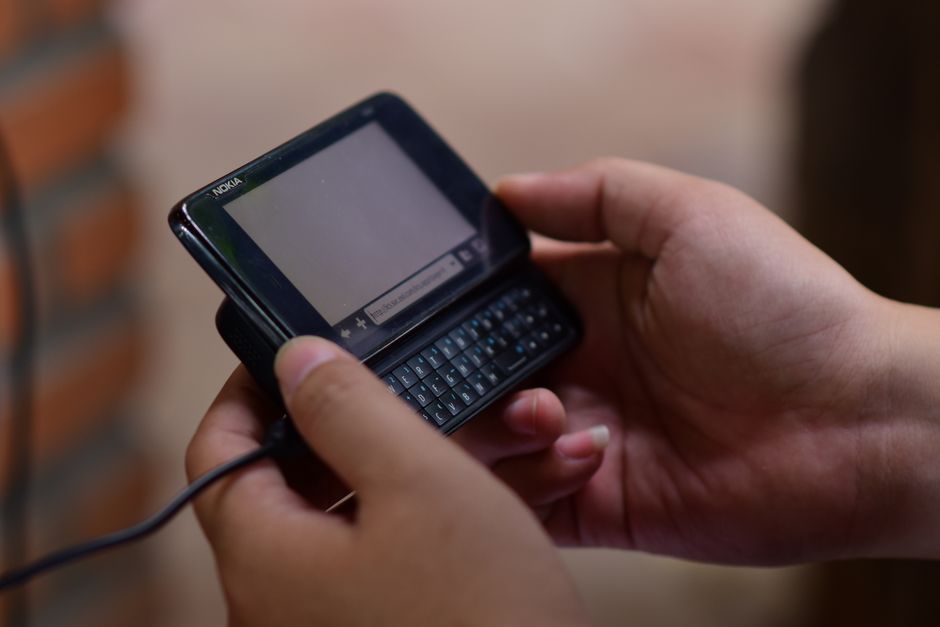
Nokia N86: A Deep Dive into Nokia’s Pinnacle of Pocket Photography and Multimedia
The Nokia N86 8MP represents a significant moment in mobile phone evolution, particularly in its relentless pursuit of camera excellence. Released in 2009, it wasn’t just another smartphone; it was a statement from Nokia, showcasing their ambition to merge the functionality of a personal communicator with the capabilities of a dedicated digital camera. At its core, the N86 was built around its groundbreaking 8-megapixel camera sensor, a figure that was cutting-edge for its time in the mobile space. This wasn’t merely about megapixels; it was about the integration of advanced imaging technology, including a Carl Zeiss optics lens and a variable aperture, a feature previously reserved for higher-end digital cameras. This allowed for superior control over depth of field and exposure, enabling users to capture more professional-looking photos in a wider range of lighting conditions. The inclusion of an actual mechanical lens cover further protected the delicate optics and added a tactile, premium feel, reminiscent of dedicated cameras. This deliberate design choice underscored Nokia’s understanding that for a camera phone to truly compete, it needed to offer both superior image quality and a satisfying user experience.
The camera system on the Nokia N86 was a marvel of engineering for its era. The 8-megapixel sensor, coupled with the aforementioned Carl Zeiss Tessar lens, promised exceptional detail and clarity in captured images. What truly set it apart, however, was the inclusion of a mechanical aperture control. This feature allowed the N86 to adjust the aperture from f/2.4 to f/4.8, mimicking the behavior of traditional cameras. A wider aperture (f/2.4) is crucial for low-light photography, allowing more light to reach the sensor and producing brighter, less noisy images. It also enables a shallower depth of field, blurring the background and making the subject pop, a characteristic highly sought after in portrait photography. Conversely, a smaller aperture (f/4.8) is ideal for brighter conditions, providing greater depth of field and ensuring more of the scene remains in focus, perfect for landscapes. This level of manual control over exposure was virtually unheard of in mainstream mobile phones at the time, positioning the N86 as a serious contender for casual photographers who wanted to leave their point-and-shoot cameras at home. Beyond the aperture, the N86 boasted dual LED flashes, offering improved illumination for both photos and videos compared to the single LED flashes found on many competing devices. Image stabilization, while not the sophisticated optical stabilization we see today, was also present, helping to reduce blur caused by hand shake. Video recording capabilities were equally robust, supporting VGA resolution at 30 frames per second, which was excellent for the time and allowed for decent quality video capture for sharing and personal memories.
Beyond its photographic prowess, the Nokia N86 was a multimedia powerhouse. Its vibrant 2.6-inch AMOLED display was a significant upgrade from the LCD screens common on Nokia devices. AMOLED technology offered deeper blacks, more vivid colors, and superior contrast ratios, making for a visually immersive experience when viewing photos, watching videos, or browsing the web. The display was also relatively bright and sharp, with a resolution of 240 x 320 pixels, providing a clear and enjoyable viewing experience even outdoors. This display was the gateway to the N86’s extensive multimedia features. The device supported a wide array of audio and video codecs, ensuring compatibility with most common media files. Music playback was handled by the integrated media player, which offered features like playlists, equalizers, and album art display. The inclusion of a 3.5mm headphone jack was a welcome addition, allowing users to connect their preferred headphones without the need for adapters. Storage was also generous for its time, with 8GB of internal memory, expandable via a microSD card slot, providing ample space for a sizable music library, photos, and videos. The N86 also featured stereo speakers, which delivered surprisingly clear and loud audio, enhancing the multimedia experience without requiring headphones. This emphasis on multimedia consumption and creation was a hallmark of Nokia’s Nseries, and the N86 delivered it in spades.
Navigating the Nokia N86 was an experience rooted in Nokia’s Symbian operating system, specifically the S60 5th Edition. While Symbian has since been superseded, it was a mature and feature-rich platform in 2009. The S60 interface was known for its icon-based menus, customizable home screen, and robust multitasking capabilities. The N86 employed a dual-slider design, which was somewhat polarizing but offered a unique user experience. The primary slider revealed a standard numeric keypad for dialing and texting, while a secondary slider, positioned below the screen, unveiled dedicated multimedia keys. These keys provided quick access to music playback controls, camera functions, and other media-related applications, streamlining the multimedia experience. The navigation was primarily controlled by a D-pad and soft keys, which were responsive and intuitive. While not as fluid or touch-centric as the operating systems that would later dominate the market, Symbian S60 on the N86 offered a stable and capable platform for productivity and entertainment. The device also included essential connectivity features for its time, such as GPRS, EDGE, 3G, and Wi-Fi, enabling internet browsing, email, and application downloads. Bluetooth was also standard, facilitating wireless connections to accessories and file transfers.
The Nokia N86 was more than just a collection of impressive specifications; it was a device designed for a specific user who valued photography and multimedia on the go. Its target audience was likely individuals who were passionate about capturing memories, sharing them online, and enjoying their digital content without being tethered to a dedicated camera or music player. The N86 appealed to those who appreciated the tactile feedback of physical buttons and sliders, a stark contrast to the all-touch interfaces that were beginning to emerge. The variable aperture and Carl Zeiss lens catered to the budding mobile photographer who wanted to experiment with creative photography and achieve results that surpassed the typical smartphone camera of the era. The robust multimedia features and the high-quality AMOLED display made it an ideal device for consuming music and videos during commutes or downtime. In essence, the N86 was for the discerning user who understood the compromises inherent in a single device and was willing to embrace a slightly more complex but ultimately more capable experience in exchange for superior camera performance and multimedia features. It was a device that prioritized functionality and quality over the simplicity of a single-finger interface.
From a design perspective, the Nokia N86 presented a distinctive and somewhat retro aesthetic, a departure from the sleeker, more minimalist designs that were starting to gain traction. The dual-slider mechanism, while offering functional benefits for multimedia and keypad access, resulted in a thicker and heavier device compared to its contemporaries. However, this perceived bulk was often associated with a sense of robustness and durability, a hallmark of Nokia’s build quality. The phone was constructed from a combination of plastic and metal, with a brushed metal accent on the sliding parts and around the lens, lending it a premium feel. The matte finish on the body helped to resist fingerprints, a practical consideration for a device that would be handled frequently. The physical buttons, including the camera shutter button, were well-spaced and offered satisfying tactile feedback. The sliding mechanisms were smooth and secure, indicating good engineering. The color options, typically black and white, were classic and understated, complementing the device’s professional aspirations. The overall design language of the N86 was functional and purposeful, prioritizing the integration of its advanced features over trend-driven aesthetics. It was a design that spoke of engineering prowess and a commitment to delivering a capable mobile experience.
The legacy of the Nokia N86 is multifaceted. It represents a crucial evolutionary step in the development of the camera phone, pushing the boundaries of what was thought possible in a handheld device. Its 8-megapixel sensor, Carl Zeiss optics, and variable aperture were benchmarks that competitors strived to meet and eventually surpass. While Symbian eventually lost ground to iOS and Android, the N86 showcased the potential of its platform to deliver sophisticated features. The N86 also highlighted a niche market that valued physical controls and a more tactile user experience, a sentiment that has seen a resurgence in recent years with a demand for more analog-feeling devices. Its emphasis on dedicated multimedia keys and a robust camera interface foreshadowed the integration of specialized hardware buttons on later smartphones for camera and music control. In terms of search engine optimization (SEO), keywords like "Nokia N86 camera," "8MP camera phone," "Carl Zeiss lens mobile," "Symbian S60," and "Nokia multimedia phone" would have been highly relevant during its peak. The term "Nokia N86 review" and "Nokia N86 specs" would also have driven traffic from users researching its capabilities. The device’s distinct features, such as its dual-slider design and advanced camera, provided unique selling points that fueled online discussions and searches.
The N86’s impact on the mobile industry, particularly in its segment, cannot be overstated. It was a device that dared to challenge the established norms of mobile photography, proving that a smartphone could indeed replace a dedicated point-and-shoot camera for many users. The inclusion of features like the variable aperture and the mechanical lens cover demonstrated a level of technical ambition that resonated with enthusiasts and informed consumers. While the N86 might appear dated by today’s standards, its innovations laid the groundwork for the sophisticated camera systems that are now an integral part of every modern smartphone. The focus on image quality, advanced optics, and user control over photographic settings, exemplified by the N86, has become a fundamental expectation for consumers when evaluating new mobile devices. Its success, even in the face of emerging touchscreen competitors, underscored the enduring appeal of well-executed hardware and thoughtful feature integration. The Nokia N86 was a testament to Nokia’s engineering capabilities and their commitment to pushing the envelope in the competitive mobile landscape of the late 2000s. Its memory is etched in the history of mobile technology as a device that truly zoomed in on the potential of pocket photography and multimedia.