Hp Packs Mini Pcs With More Hardware Software
HP Packs Mini PCs with More Hardware Software
HP’s commitment to delivering versatile and powerful computing solutions extends to its mini PC lineup, offering compact form factors without sacrificing essential hardware and software capabilities. These devices are meticulously engineered to cater to a broad spectrum of users, from business professionals demanding reliable performance for daily tasks and presentations to creative individuals seeking a discreet yet potent workstation for their projects, and even home users looking for a space-saving entertainment hub or a robust desktop replacement. The core of HP’s mini PC strategy lies in their ability to pack significant computing power into a small footprint, making them ideal for environments where space is at a premium or where a minimalist aesthetic is desired.
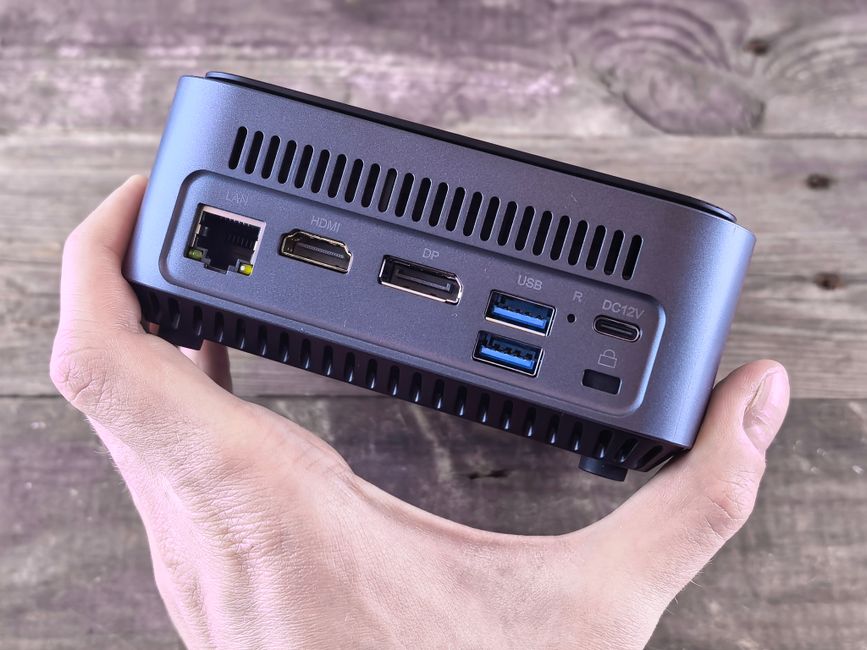
Under the hood, HP mini PCs are equipped with a range of hardware configurations designed to meet diverse performance needs. Processors often include Intel Core i3, i5, i7, and i9 series, providing a scalable performance ladder from everyday productivity to demanding computational workloads. For users requiring accelerated graphics processing for content creation, design, or light gaming, select HP mini PCs can be configured with dedicated NVIDIA GeForce or AMD Radeon graphics cards, a significant advantage over many integrated graphics solutions found in smaller form factor machines. Memory configurations typically start at 8GB of DDR4 RAM and can be expanded to 16GB, 32GB, or even higher, ensuring smooth multitasking and efficient handling of memory-intensive applications. Storage options are equally flexible, featuring fast Solid State Drives (SSDs) for rapid boot times and application loading, often paired with larger Hard Disk Drives (HDDs) for ample data storage, or a combination of both to balance speed and capacity. Connectivity is a key consideration, with HP mini PCs boasting a comprehensive array of ports, including multiple USB 3.0 and 3.1 ports for high-speed data transfer, HDMI and DisplayPort outputs for multi-monitor setups, Ethernet for stable wired networking, and Wi-Fi and Bluetooth for wireless convenience.
The software experience on HP mini PCs is characterized by a focus on user-friendliness and enhanced productivity, out of the box. Running the latest versions of Microsoft Windows, these devices come pre-loaded with an optimized operating system that is stable, secure, and ready for immediate use. Beyond the core OS, HP integrates its proprietary software suite, HP Support Assistant, which provides automated updates, troubleshooting tools, and system diagnostics, simplifying hardware maintenance and ensuring optimal performance. For business users, HP often includes solutions like HP Device Manager or HP Elite Connectivity, which offer enhanced remote management capabilities, security features, and simplified deployment in enterprise environments. These software additions are designed to be unobtrusive yet highly functional, allowing users to leverage their hardware to its full potential without the clutter of unnecessary bloatware. The integration of hardware and software is a core tenet of HP’s design philosophy, ensuring that the operating system and applications are finely tuned to work seamlessly with the specific components of each mini PC model.
One of the primary advantages of HP mini PCs is their adaptability across various use cases. In a business setting, they excel as powerful yet discreet workstations for employees in cubicles or shared office spaces. Their small footprint frees up valuable desk real estate, while their robust performance ensures that demanding business applications, video conferencing, and multitasking are handled with ease. For digital signage and point-of-sale (POS) systems, HP mini PCs offer a reliable and compact solution that can be easily integrated into existing infrastructure. Their low power consumption also contributes to reduced operational costs, a crucial factor for businesses aiming to improve their environmental footprint and bottom line. The ability to remotely manage and secure these devices further enhances their appeal in corporate environments where IT support and data protection are paramount.
For creative professionals, HP mini PCs can be configured to serve as surprisingly capable workstations. While not intended to replace high-end desktop towers for extremely demanding tasks like professional 3D rendering or complex video editing at 8K resolutions, they are perfectly suited for graphic design, photo editing, music production, and even moderate video editing. The availability of dedicated graphics options significantly broadens their applicability in these fields. When paired with ample RAM and fast SSD storage, these mini PCs can handle complex creative projects with impressive responsiveness, allowing designers and artists to work efficiently without being tethered to a large, obtrusive machine. The minimalist design also appeals to those who prioritize a clean and organized workspace, allowing for a more focused and less distracting creative environment.
In a home environment, HP mini PCs offer a versatile and space-saving solution for a multitude of needs. They can function as a sleek and powerful desktop computer for general use, web browsing, document creation, and social media. For home entertainment enthusiasts, they can be transformed into a dedicated media center PC, connecting to a TV to stream movies, music, and games from online services or local storage. The low noise levels often associated with mini PCs make them ideal for living room setups where quiet operation is a priority. For educational purposes, they provide a reliable and affordable computing platform for students of all ages, supporting online learning, research, and the use of educational software. The ease of setup and minimal cable clutter also contribute to a tidier and more aesthetically pleasing home environment.
The hardware expandability of HP mini PCs, while constrained by their form factor, is still noteworthy. Many models allow for RAM upgrades, enabling users to increase memory capacity as their needs evolve. Storage can often be expanded through additional SSD or HDD bays, or via external storage solutions connected through their abundant USB ports. While internal graphics card upgrades are generally not feasible in such compact designs, the initial configuration options, including dedicated GPUs on select models, provide significant graphical power for a mini PC. This strategic approach to expandability ensures that HP mini PCs can remain relevant and performant for longer periods, offering a degree of future-proofing within the limitations of their size.
HP’s commitment to robust software and support is evident in the user experience of their mini PCs. Windows is the primary operating system, providing a familiar and powerful environment. HP’s inclusion of specific utilities, such as HP CoolSense technology which automatically adjusts system performance and fan speeds to prevent overheating, demonstrates a thoughtful integration of software to enhance hardware longevity and user comfort. For businesses, the availability of commercial-grade security features and management tools further solidifies the mini PC’s role in professional settings. The ongoing support and driver updates provided by HP ensure that the hardware continues to function optimally and remains compatible with evolving software standards.
The thermal management within HP mini PCs is a critical engineering feat. Despite their small size, HP employs advanced cooling solutions to prevent performance throttling and ensure long-term reliability. This often involves carefully designed heatsinks, efficient fan systems, and intelligent fan curves managed by software. These efforts are crucial for maintaining consistent performance, especially during sustained workloads, and for prolonging the lifespan of the internal components. The quiet operation, a common characteristic of well-engineered mini PCs, is a direct result of this focus on effective and efficient thermal management.
Security is an increasingly important aspect of computing, and HP mini PCs are not overlooked in this regard. Depending on the specific model and target market, they can feature hardware-level security features like Trusted Platform Module (TPM) chips, which provide hardware-based encryption and secure key storage. For business-oriented models, HP often incorporates BIOS-level security features, password protection, and even chassis intrusion detection. The pre-installed Windows operating system also benefits from Microsoft’s continuous security updates and built-in security tools, such as Windows Defender. This multi-layered approach to security ensures that user data and system integrity are well protected, a crucial consideration for both individual and business users.
The future of HP mini PCs points towards continued refinement of their compact designs, increased processing power within smaller thermal envelopes, and enhanced connectivity options. As technologies like Wi-Fi 6E and Thunderbolt become more prevalent, HP is likely to integrate these advancements to offer even faster and more versatile connections. The demand for energy-efficient computing will also drive further innovation in processor design and power management, making these mini PCs even more eco-friendly and cost-effective to operate. The ongoing trend of remote work and flexible office setups will further bolster the appeal of these space-saving, powerful computing solutions, solidifying their place in HP’s comprehensive product portfolio. Their ability to pack significant hardware capabilities and user-friendly software into such compact chassis makes them a compelling choice for a wide range of modern computing needs.