

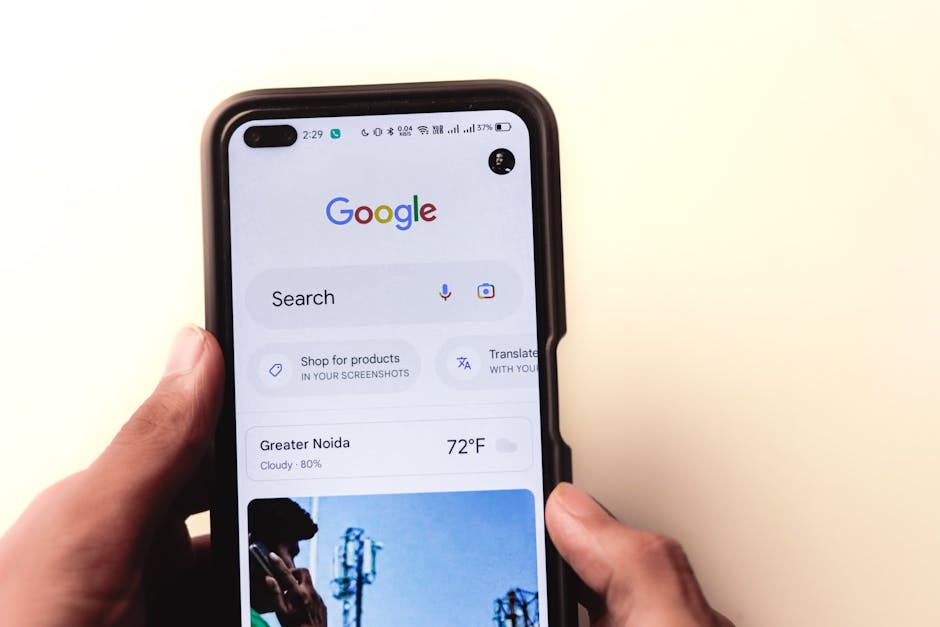
The Unfolding Tech Titan Wars: How Google, Microsoft, and Apple Could Decimate Each Other
Google’s relentless pursuit of ubiquitous access and data integration poses a direct existential threat to Microsoft’s entrenched enterprise dominance and Apple’s curated ecosystem. The core of Google’s potential to dismantle Microsoft lies in its strategic expansion beyond search and advertising into the very foundations of productivity and cloud computing. Google Workspace, encompassing Gmail, Docs, Sheets, and Slides, has already chipped away at Microsoft Office’s legacy by offering a compelling, cloud-native, collaborative alternative that is often more cost-effective, especially for startups and smaller businesses. This erosion is amplified by Google Cloud Platform (GCP), which increasingly competes with Microsoft Azure, not just on cost and performance for cloud infrastructure but also by offering integrated AI and data analytics services that Microsoft is still striving to fully realize. Should GCP continue its rapid innovation and market share growth, it could relegate Azure to a secondary player, impacting Microsoft’s recurring revenue streams and its ability to bundle software and services. Furthermore, Google’s deep dive into hardware, particularly with Pixel devices and its Android ecosystem, directly challenges Windows on PCs and increasingly, the lines blur as ChromeOS matures. If Google successfully convinces businesses to standardize on its cloud services and hardware for their daily operations, a significant portion of Microsoft’s customer base, particularly the SMB segment, could be lost. The threat escalates with Google’s AI advancements. Bard, and its integration into Search and Workspace, could fundamentally alter how users interact with information and create content, potentially making traditional desktop applications feel cumbersome and outdated. This AI-driven disruption, coupled with a relentless focus on user experience and accessibility, positions Google to offer a more seamless, intelligent, and connected workflow that Microsoft, with its legacy software architecture and slower adoption of truly disruptive AI paradigms, might struggle to counter. The key vulnerability for Microsoft is its reliance on legacy software licenses and its slower pivot to a truly cloud-first, AI-native enterprise. If Google can continue to offer superior collaboration, cost-efficiency, and AI-powered productivity at scale, the enterprise moat Microsoft has built for decades could begin to crumble.
Conversely, Google itself is vulnerable to an Apple-led disruption, primarily through the latter’s increasingly integrated hardware and software ecosystem and its unwavering commitment to privacy. Apple’s strategy revolves around a tightly controlled, premium experience that prioritizes security and user control. While Google thrives on data aggregation, Apple actively markets its commitment to privacy, a growing concern for many users and businesses. If Apple were to significantly expand its enterprise offerings, perhaps by bolstering macOS and iPadOS for business use cases with enhanced collaboration tools that rival Google Workspace, and by leveraging its secure hardware as a premium platform for accessing these services, it could draw a significant segment of the market away from Google. The Apple ecosystem, from iPhones and iPads to Macs and the upcoming Vision Pro, offers a cohesive, user-friendly experience that is difficult for Google, with its fragmented Android and ChromeOS landscape, to replicate. Should Apple invest more heavily in its cloud services, potentially building out iCloud as a more robust competitor to Google Drive and Workspace, and enhance its AI capabilities to rival Google Assistant and Bard in terms of intelligent assistance and task automation, it could create a powerful, privacy-focused alternative. The Vision Pro, in particular, represents a potential paradigm shift. If Apple successfully integrates its enterprise applications and productivity suites into this spatial computing platform, it could define the future of work, leaving Google’s more traditional digital interfaces feeling archaic. Apple’s control over its hardware and software allows for a level of optimization and security that Google, with its open-source Android and diverse hardware partners, can’t match. A concentrated effort by Apple to secure enterprise contracts and demonstrate superior productivity and security on its platforms could significantly undermine Google’s market share in both consumer and business segments, particularly in sectors where data sensitivity is paramount.
Microsoft, in turn, possesses the latent power to disrupt both Google and Apple, leveraging its deep enterprise relationships and its formidable cloud infrastructure. The key lies in Microsoft’s ability to leverage its Azure cloud and its AI investments, particularly through its partnership with OpenAI, to deliver truly transformative solutions that transcend current offerings. While Google is strong in AI research and application, Microsoft’s ability to integrate cutting-edge AI, such as advanced GPT models, into its existing enterprise suite—Office 365, Dynamics 365, and Azure—could create an insurmountable advantage. Imagine Copilot, Microsoft’s AI assistant, not just assisting with document creation but acting as a proactive, intelligent agent across an entire business workflow, automating complex tasks, analyzing vast datasets in real-time, and even predicting business needs with unprecedented accuracy. This level of integrated, AI-powered intelligence could render Google Workspace’s collaborative features and GCP’s analytical tools less compelling if Microsoft can demonstrate superior efficiency and deeper insights. Furthermore, Microsoft’s Windows operating system remains a dominant force in enterprise desktops. If Microsoft can successfully integrate its AI capabilities seamlessly into Windows, creating an OS that is intrinsically intelligent and proactive, it could solidify its position and make it harder for Google’s ChromeOS or Apple’s macOS to gain significant enterprise traction. Apple’s Achilles’ heel is its walled garden and premium pricing. If Microsoft can offer competitive, AI-enhanced solutions at a more accessible price point for businesses of all sizes, and demonstrate superior interoperability with a wider range of hardware and legacy systems, it could peel away businesses that find Apple’s ecosystem too restrictive or expensive. Microsoft’s decades of experience in the enterprise space, its established sales channels, and its deep understanding of business needs provide a unique foundation for this AI-driven offensive. The potential for Microsoft to offer a comprehensive, secure, and intelligent enterprise platform that is both accessible and highly performant is its most potent weapon against both Google and Apple.
The interplay of these threats is dynamic and cyclical. Google could disrupt Microsoft by making cloud-native productivity and data analytics the undisputed standard, pushing Microsoft’s legacy software and on-premise solutions into obsolescence. Microsoft, in turn, could counter by leveraging its AI partnerships and Azure infrastructure to create an unparalleled intelligent enterprise ecosystem that outpaces Google’s more consumer-centric AI deployments. Apple, with its focus on privacy and integrated hardware, presents a persistent challenge to both. If Apple can successfully translate its consumer appeal and privacy focus into robust enterprise solutions, and if its spatial computing initiatives gain widespread adoption, it could redefine productivity in ways that disrupt both Google and Microsoft’s existing models. The ultimate victor, or perhaps the survivors of these tech titan wars, will be determined by their ability to adapt to the accelerating pace of AI innovation, to seamlessly integrate new paradigms like spatial computing, and to meet the evolving demands for privacy and security from both consumers and businesses. The next decade will likely see a significant reshaping of the tech landscape as these giants engage in a zero-sum game for the future of computing.








No comments yet. Be the first to join the conversation!