Sony Burns Kindle With New Wireless Touchscreen E Reader
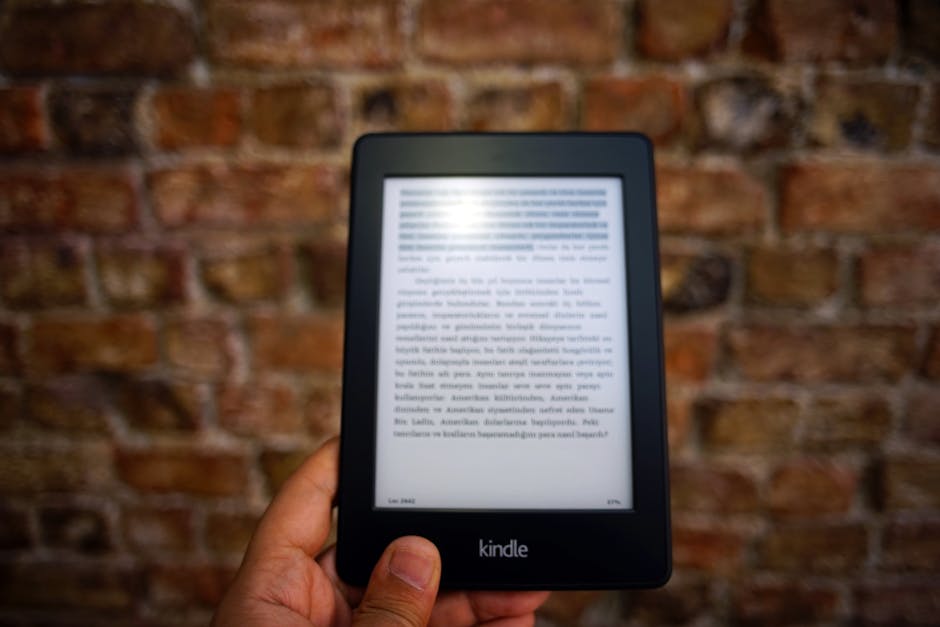
Sony Burns Kindle with New Wireless Touchscreen eReader: A Revolution in Digital Reading
Sony has ignited the e-reader market with its latest innovation, a wireless touchscreen e-reader poised to directly challenge Amazon’s Kindle dominance. This new device boasts a suite of cutting-edge features designed to redefine the digital reading experience, offering a compelling alternative for avid readers seeking advanced functionality, superior display technology, and greater content freedom. At its core, the device leverages a high-resolution, glare-free E Ink display, delivering a paper-like reading experience that minimizes eye strain, even during extended reading sessions. The wireless connectivity, a standard now expected in premium e-readers, facilitates seamless book downloads, library management, and access to a vast digital bookstore. However, it is the integration of a responsive, intuitive touchscreen interface that truly sets this Sony e-reader apart, moving beyond the sometimes-clunky button navigation of earlier models and offering a more fluid and engaging interaction with digital texts. This article will delve into the technical specifications, user experience, content ecosystem, and competitive implications of Sony’s aggressive entry into the wireless touchscreen e-reader arena, aiming to provide a comprehensive overview for consumers and industry observers alike.
The cornerstone of any e-reader is its display, and Sony has spared no expense in equipping its new device with a state-of-the-art E Ink panel. This next-generation screen technology offers exceptional clarity and contrast, mimicking the visual appeal of printed paper. Unlike LCD or LED screens found in tablets, E Ink displays are reflective, meaning they use ambient light to illuminate the page, thus eliminating the backlight that can cause eye fatigue. This is particularly crucial for long reading sessions, making the Sony device an ideal companion for bookworms who spend hours immersed in their digital libraries. The resolution of the display is a significant upgrade, boasting a pixel density that renders text with remarkable sharpness and detail, ensuring that even the smallest fonts are crisp and legible. Furthermore, the improved refresh rate of the E Ink screen addresses a common criticism of earlier e-readers: ghosting and slow page turns. Sony’s implementation promises a smoother, more responsive experience, minimizing the visual lag that can disrupt the immersive quality of reading. The glare-free nature of the E Ink panel also means that users can comfortably read in bright sunlight or under direct light sources, without the distracting reflections that plague many other electronic displays. This makes the device exceptionally versatile for a wide range of reading environments, from a sun-drenched beach to a brightly lit café.
Beyond the display, the wireless capabilities of the new Sony e-reader are a significant draw. Integrated Wi-Fi connectivity ensures that users are never far from their next literary adventure. Downloading new books from Sony’s own digital bookstore, or potentially from other compatible platforms, becomes a effortless process. This eliminates the need for cumbersome USB transfers, offering a truly "always connected" reading experience. For users with extensive digital libraries, the wireless functionality also streamlines the management of their collection. Books can be synced across devices, downloaded on the go, and organized with ease through intuitive cloud-based services. This level of convenience is paramount in today’s fast-paced digital world, where instant gratification is often the standard. The wireless features also open doors for potential software updates, new features, and enhanced services to be delivered seamlessly to the device, ensuring that the e-reader evolves and improves over time without requiring manual intervention from the user. This commitment to ongoing support and development is a strong selling point, promising a long and valuable lifespan for the device.
The introduction of a responsive touchscreen interface marks a significant departure and a substantial improvement for Sony’s e-reader line. Previous generations often relied on physical buttons for navigation, which could feel cumbersome and less intuitive for modern digital consumers. The new touchscreen allows for direct interaction with the e-reader’s menus, books, and settings. This means that turning pages is as simple as swiping your finger, highlighting text is as easy as tapping and dragging, and navigating through a book’s table of contents or index becomes a fluid, direct action. The sensitivity and accuracy of the touchscreen are critical factors, and Sony appears to have invested heavily in ensuring a lag-free and precise touch experience. This intuitive control scheme lowers the barrier to entry for new users and enhances the overall user experience for seasoned e-reader enthusiasts. It allows for more sophisticated features to be implemented easily, such as pinch-to-zoom for images or diagrams within books, and precise selection of text for annotations and dictionary lookups. The touchscreen also enables the integration of more interactive elements within the reading experience, potentially leading to richer multimedia content in the future.
The content ecosystem surrounding any digital reading device is a crucial determinant of its success. Sony’s new e-reader will undoubtedly benefit from access to its established digital bookstore, which offers a wide selection of titles across various genres. However, for this device to truly challenge Amazon’s Kindle, it will need to demonstrate robust support for open e-book standards and potentially forge partnerships that expand content availability. The ability to easily read e-books in formats like EPUB, which is widely supported by publishers and libraries, would be a significant advantage. This would empower users to acquire content from a multitude of sources, rather than being locked into a single vendor’s ecosystem. Furthermore, integration with public library lending services, such as OverDrive, would be a game-changer, providing users with a vast and cost-effective source of reading material. Sony’s success will hinge on its ability to provide a seamless and user-friendly experience for acquiring and managing content from diverse sources, offering readers the freedom and flexibility they demand in the digital age. The potential for subscription services, curated reading lists, and integration with note-taking or study apps could further enhance the value proposition of the device and its content ecosystem.
In terms of competition, the launch of this new Sony e-reader represents a direct and significant challenge to Amazon’s Kindle. While Kindle has long enjoyed a dominant market share, Sony’s focus on advanced display technology, a refined touchscreen interface, and robust wireless capabilities addresses some of the most common user desires and criticisms of existing e-readers. The Kindle ecosystem is undeniably vast and deeply ingrained, but Sony’s offering could appeal to users seeking a more premium hardware experience or greater content flexibility. Kobo, another established player in the e-reader market, also offers devices with similar features, but Sony’s brand recognition and potential for integration with other Sony products could give it an edge. The key differentiator will be the overall user experience and the perceived value proposition. If Sony can deliver a device that is not only technologically superior but also competitively priced and supported by a strong content strategy, it has the potential to capture a significant share of the e-reader market. The battle for the digital reading audience is intensifying, and this new Sony device is a clear indication that the company is ready to play a leading role.
The implications for the broader e-reader market are significant. Sony’s aggressive move could spur further innovation from its competitors, leading to an acceleration of technological advancements in display quality, interface design, and content accessibility. Consumers stand to benefit from this increased competition, as they will have access to a wider array of sophisticated and user-friendly devices at potentially more competitive price points. The emphasis on wireless connectivity and intuitive touchscreen interfaces suggests a future where e-readers are not just passive reading devices but interactive portals to vast digital libraries and connected services. This could lead to new functionalities, such as integrated audiobook playback, interactive annotations, and personalized reading recommendations powered by artificial intelligence. The success of Sony’s new e-reader will be a testament to its ability to understand and cater to the evolving needs of modern readers, pushing the boundaries of what a digital reading device can be. The market is ripe for disruption, and Sony’s latest offering is a potent force in that ongoing evolution.