
Cloud Gives WikiLeaks Elastic DDoS Armor
Cloud gives WikiLeaks elastic DDoS armor, providing a dynamic shield against relentless online attacks. This innovative approach leverages the scalability of cloud platforms to counter Distributed Denial-of-Service (DDoS) threats, a crucial aspect of modern cybersecurity. Understanding how this works is essential for anyone concerned with online safety and the potential for targeted attacks.
This in-depth look explores the technical aspects, historical context, and security implications of this evolving defensive strategy. We’ll examine the mechanisms behind cloud-based DDoS protection, analyzing the various types of attacks and how cloud platforms mitigate them. The discussion will also touch upon the role of WikiLeaks in this context, and the broader implications for online activism and digital security.
Understanding the Concept
Cloud computing is revolutionizing network security, offering unprecedented flexibility and scalability. This shift is particularly impactful in countering Distributed Denial-of-Service (DDoS) attacks, which aim to overwhelm a target system with malicious traffic. The concept of “elastic DDoS armor” embodies this cloud-based approach, leveraging dynamic resource allocation to absorb and mitigate these attacks. Wikileaks, a prominent target of DDoS attempts, has highlighted the critical need for robust defenses in the digital age.
Cloud in Network Security
Cloud platforms provide a dynamic and scalable infrastructure for handling network traffic. This adaptability is crucial in the face of DDoS attacks, which can fluctuate in intensity and volume. Instead of relying on static, pre-allocated resources, cloud-based solutions allow for the automatic provisioning of computing power, storage, and bandwidth as needed. This on-demand capability is a significant advantage in mitigating attacks.
Elastic DDoS Armor
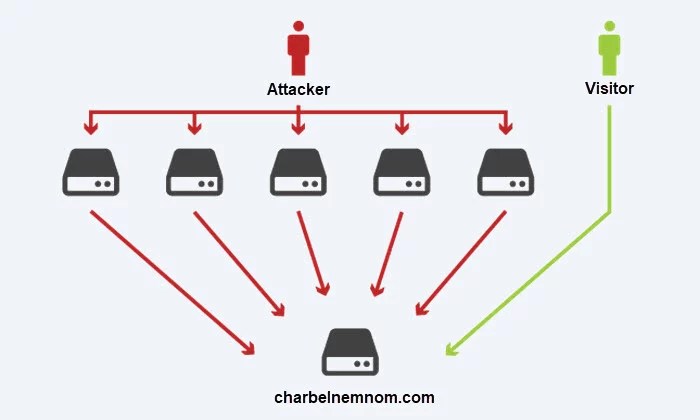
Elastic DDoS armor is a cloud-based approach to defending against DDoS attacks. It leverages the inherent scalability of cloud platforms to automatically adjust resources based on the intensity of the attack. Imagine a surge of traffic – the system automatically allocates more servers, network bandwidth, and storage to absorb the assault. This dynamic response is critical because a fixed infrastructure might crumble under a sustained attack.
The key mechanisms involve:
- Traffic Filtering and Mitigation: Sophisticated filtering mechanisms identify and divert malicious traffic, preventing it from reaching the target servers. This involves techniques such as packet inspection, signature-based detection, and anomaly detection.
- Load Balancing: Distributing incoming traffic across multiple servers prevents any single point of failure. This distributes the load, preventing overload and maintaining service continuity.
- Dynamic Scaling: Adding more computing resources – servers, storage, and bandwidth – to the system automatically as the attack escalates. This ensures the target system remains responsive despite the onslaught.
Wikileaks and DDoS Attacks
Wikileaks, renowned for its publication of sensitive information, has been a frequent target of DDoS attacks. These attacks aim to disrupt its operations, making it difficult for users to access its platform. The sheer volume of traffic generated during these attacks underscores the need for robust defenses that can adapt to fluctuating attack patterns. Such attacks highlight the importance of cloud-based solutions that can dynamically scale to meet these challenges.
Cloud Platforms in DDoS Mitigation
Cloud platforms excel at mitigating DDoS attacks by dynamically adjusting resources to the evolving demands of the attack. This adaptability is key because DDoS attacks can vary significantly in their intensity and duration. Cloud providers offer a range of services to support this mitigation, including dedicated DDoS protection services and infrastructure as a service (IaaS) platforms.
Examples of Dynamic Resource Scaling
Cloud providers offer various examples of how they dynamically scale resources to handle DDoS attacks. Amazon Web Services (AWS), for instance, can automatically provision more instances of EC2 (Elastic Compute Cloud) servers to absorb the attack traffic. This approach allows for a rapid response to varying attack patterns. Google Cloud Platform (GCP) also employs similar dynamic scaling mechanisms to handle traffic spikes and prevent service disruptions.
These examples showcase the practical application of cloud-based solutions in mitigating DDoS attacks.
Historical Context and Background
The digital landscape is constantly evolving, and with it, the methods and motivations behind cyberattacks. Understanding the history of Distributed Denial-of-Service (DDoS) attacks, the evolution of WikiLeaks, and the role of cloud computing in mitigating these threats provides crucial context for appreciating the current security landscape. This exploration examines the progression of DDoS strategies, the impact on organizations like WikiLeaks, and the growing capacity of cloud-based solutions to combat these attacks.The evolution of DDoS tactics reveals a shift from simple, easily detectable flooding techniques to more sophisticated and targeted approaches.
This evolution highlights the need for ever-evolving security measures.
History of DDoS Attacks and Their Evolution
DDoS attacks have evolved significantly since their inception. Early attacks primarily relied on simple flooding techniques, overwhelming target systems with a deluge of traffic. Over time, attackers refined their strategies, employing more sophisticated methods, including amplification attacks that leverage third-party servers to magnify the attack’s impact. Modern attacks are often characterized by their complexity, stealth, and the use of botnets, which are networks of compromised devices used to launch coordinated attacks.
This sophistication necessitates a multifaceted approach to security, requiring robust defenses and a deep understanding of attack vectors.
Strategies Used in Past DDoS Attacks
Early DDoS attacks primarily employed simple flooding techniques, leveraging large numbers of compromised systems to overwhelm the target’s bandwidth. This approach was relatively straightforward to detect and mitigate, but its effectiveness lay in sheer volume. Later, attackers began to employ amplification attacks, leveraging the services of unwitting third-party servers to amplify the attack’s impact. This amplified the attack’s potential damage while obscuring the source of the malicious traffic.
The evolving sophistication of these strategies requires constant adaptation in defensive measures.
History of WikiLeaks and its Relationship to Online Activism and Controversy
WikiLeaks, founded in 2006, quickly became a focal point of online activism and controversy. Its mission to publish leaked documents, often pertaining to government and corporate affairs, sparked both praise and criticism. The platform’s transparency initiatives were met with accusations of endangering national security and privacy. This inherent conflict between transparency and potential harm significantly shaped the organization’s interactions with the online world.
The organization’s history illustrates the complex interplay between freedom of information, accountability, and potential risks associated with online dissemination of sensitive data.
Impact of Previous DDoS Attacks on WikiLeaks and Other Organizations
WikiLeaks has been a frequent target of DDoS attacks. These attacks, often politically motivated, aimed to disrupt operations and silence the organization’s message. The impact extends beyond WikiLeaks; other organizations involved in online activism and publishing sensitive information have also faced similar attacks. The experience demonstrates the vulnerability of online platforms to coordinated attacks and the need for robust security infrastructure.
This experience underscores the critical need for both offensive and defensive security measures in the digital realm.
Evolution of Cloud Computing and its Capabilities in Responding to Security Threats
Cloud computing has revolutionized how organizations manage resources and respond to security threats. Cloud-based solutions offer scalability and flexibility, allowing organizations to rapidly provision resources to mitigate DDoS attacks. The ability to dynamically adjust resources based on the attack’s intensity is a key advantage of cloud computing in this context. This adaptability to varying attack magnitudes is a significant improvement over traditional methods.
Cloud providers are increasingly incorporating advanced security features into their platforms, enabling organizations to enhance their defenses. The integration of these advanced features is key to building a resilient infrastructure against increasingly sophisticated attacks.
Technical Aspects
Cloud-based DDoS protection, often referred to as “elastic DDoS armor,” leverages the inherent scalability and resilience of cloud platforms to mitigate Distributed Denial-of-Service attacks. This approach dynamically adjusts resources to counter varying attack intensities, providing a crucial layer of defense against malicious actors. Understanding the technical mechanisms behind this defense is critical for appreciating the effectiveness of cloud-based solutions.Cloud providers employ sophisticated algorithms and technologies to identify and mitigate various types of DDoS attacks.
This includes filtering malicious traffic, absorbing high volumes of attack traffic, and intelligently adjusting resources to maintain service availability.
DDoS Attack Types and Mitigation Strategies
Cloud platforms need to be equipped to handle diverse DDoS attack types. These attacks often leverage various techniques, each demanding specific mitigation strategies. Volume-based attacks, such as UDP floods and ICMP floods, aim to overwhelm network infrastructure with massive traffic volumes. Application-layer attacks, like HTTP floods and Slowloris, target specific application vulnerabilities to disrupt service. Protocol attacks, such as SYN floods and fragmented packet attacks, exploit vulnerabilities in network protocols.Cloud-based DDoS mitigation solutions typically employ a layered approach.
This includes scrubbing centers, located geographically dispersed to absorb attack traffic, and intelligent traffic filtering systems that identify and block malicious packets. Rate limiting and traffic shaping techniques are often employed to prevent legitimate users from being impacted by the attack. Furthermore, advanced machine learning algorithms are used to identify patterns and anomalies in network traffic, allowing for proactive detection and mitigation of emerging attack vectors.
Key Technologies in Cloud-Based DDoS Mitigation
Several crucial technologies are integral to effective cloud-based DDoS mitigation. Content Delivery Networks (CDNs) play a significant role in distributing traffic across a global network, thereby reducing the impact of attack traffic on origin servers. Load balancers intelligently distribute traffic across multiple servers, preventing overload and ensuring high availability. Network firewalls and intrusion detection systems (IDS) actively monitor network traffic, identifying and blocking malicious activity.
These systems are often integrated with advanced security information and event management (SIEM) tools to provide comprehensive visibility into network activity.
Conceptual Architecture of a Cloud-Based DDoS Protection System
A cloud-based DDoS protection system typically comprises several interconnected components. A network of geographically distributed scrubbing centers handles the initial absorption of attack traffic, preventing it from reaching the origin servers. Sophisticated traffic analysis tools analyze network traffic patterns, identifying anomalies and potential attack vectors. A central management console allows for real-time monitoring, control, and adjustment of mitigation strategies.
The system seamlessly integrates with existing cloud infrastructure, automatically scaling resources to handle fluctuating attack intensities.
Comparison of Cloud Provider DDoS Protection Services
Different cloud providers offer various DDoS protection services with varying levels of features and pricing models. Some providers offer basic DDoS protection as part of their platform, while others offer more comprehensive solutions as a managed service. Considerations include the types of attacks mitigated, the volume of traffic absorbed, the response time, and the pricing structure. A crucial aspect of comparison is the level of customization and control over the protection mechanisms offered.
Providers often advertise features such as automatic scaling, customizable mitigation rules, and real-time monitoring dashboards. In reality, specific features, pricing, and support vary considerably among providers. Careful evaluation of service capabilities and performance is essential for choosing the right provider for specific needs.
Security Implications and Considerations
Cloud-based DDoS protection, while offering significant advantages in terms of scalability and cost-effectiveness, presents a unique set of security challenges. Relying solely on a cloud provider for DDoS mitigation introduces new layers of complexity and potential vulnerabilities that need careful consideration. The security implications extend beyond the technical aspects, encompassing ethical considerations and the potential for misuse.Cloud providers often employ sophisticated filtering and mitigation techniques.
However, the effectiveness of these systems depends heavily on the accuracy and completeness of the data they process. Furthermore, the very nature of cloud environments, with their shared resources and dynamic nature, introduces potential vulnerabilities that are distinct from traditional on-premise solutions.
Cloud computing is giving WikiLeaks some serious defensive firepower, providing elastic DDoS armor. This resilience in the digital realm is quite fascinating, especially when you consider advancements like e-skin for robots, which could lead to touchy-feely prosthetics for humans. This technology, detailed in this interesting article, e skin for robots could lead to touchy feely prosthetics for humans , pushes the boundaries of human-machine interaction.
Ultimately, the cloud’s adaptability in protecting sensitive information is just as crucial as the potential of these advanced materials.
Security Risks Associated with Cloud-Based DDoS Protection
Cloud providers, while offering robust DDoS protection services, may face limitations due to the shared nature of their infrastructure. This shared infrastructure can lead to a potential for resource exhaustion or compromise if an attacker targets the entire cloud environment. Additionally, the reliance on third-party providers introduces a dependency that could disrupt services if the provider experiences outages or vulnerabilities.
Potential Vulnerabilities and Limitations of Cloud-Based DDoS Mitigation
The dynamic nature of cloud environments and the constant addition of new services and resources can introduce unforeseen vulnerabilities. Furthermore, the intricate interplay between different cloud services and the limitations of automated detection and mitigation systems can create gaps in security. A misconfiguration or a flaw in a cloud service could expose the entire environment to attacks. For example, an improperly configured firewall rule could allow malicious traffic to bypass security measures.
Ethical Considerations Surrounding the Use of Cloud-Based Tools for DDoS Defense, Cloud gives wikileaks elastic ddos armor
The use of cloud-based DDoS protection tools raises ethical concerns regarding the potential for misuse. These tools could be exploited to launch or facilitate DDoS attacks against legitimate targets, which can have significant consequences for availability, reputation, and financial losses. Moreover, the anonymity afforded by the cloud could enable malicious actors to hide their identities and activities.
Cloud computing is giving WikiLeaks some seriously impressive DDoS protection, making them surprisingly resilient. This echoes the ephemeral nature of some online services, like Google Wave, which, as detailed in google wave we hardly knew ye , quickly faded into the digital ether. Ultimately, this resilience in the cloud is a fascinating counterpoint to the transient nature of some online projects.
Potential for Abuse or Misuse of Cloud-Based DDoS Protection Services
The accessibility and ease of use of cloud-based DDoS protection services create opportunities for abuse. Malicious actors could potentially leverage these services to amplify their attacks or obfuscate their origins. Furthermore, the lack of transparency in some cloud provider’s DDoS mitigation strategies could make it difficult to identify and address malicious activities.
Strategies to Improve the Security Posture of Cloud-Based DDoS Protection
Implementing robust security protocols within the cloud environment is crucial. This includes strict access controls, regular security audits, and the implementation of multi-factor authentication to prevent unauthorized access. Regularly monitoring network traffic for suspicious activity and updating security configurations based on the latest threat intelligence can help to identify and mitigate emerging vulnerabilities. Furthermore, maintaining a robust incident response plan and working closely with cloud providers to address security concerns are vital steps to enhance security.
Ultimately, a layered approach to security, combining cloud-based mitigation with on-premise defenses and robust security awareness training, is essential to enhance the overall security posture.
Practical Application and Use Cases
Cloud-based DDoS protection has become an essential component of modern web security. This section explores successful implementations, various provider offerings, and mitigation strategies for different attack types. Understanding how these solutions function in real-world scenarios is crucial for evaluating their effectiveness and selecting the right approach for specific needs.Cloud-based DDoS protection isn’t a one-size-fits-all solution. The success of implementation hinges on careful consideration of specific use cases and proactive security measures alongside the cloud-based protection.
Cloud computing is giving WikiLeaks a powerful defense against DDoS attacks, making their platform more resilient. This enhanced resilience, however, raises questions about how social networks can navigate the complexities of culture wars and censorship. For instance, how can platforms balance free speech with the need to prevent harmful content? A great resource exploring this is this article on culture wars vs censorship and social networks.
Ultimately, the cloud’s ability to provide WikiLeaks with this armor underscores the need for robust and adaptable online spaces.
This includes understanding the attack vectors a particular organization faces and configuring the cloud service to effectively counter them.
Successful Implementations of Cloud DDoS Protection
Numerous organizations have successfully leveraged cloud-based DDoS protection to safeguard their online presence. For example, e-commerce platforms often experience significant traffic spikes during promotional periods. By implementing cloud-based DDoS protection, they can absorb these spikes without experiencing service disruptions. Similarly, online gaming platforms, which are frequently targeted by DDoS attacks, have reported positive outcomes using these services.
The crucial factor is the ability of these solutions to scale with demand, absorbing massive traffic volumes without impacting legitimate user traffic.
Cloud Provider DDoS Mitigation Capabilities
This table provides an overview of various cloud providers and their DDoS mitigation capabilities. Note that specific features and pricing models may vary depending on the chosen service level and configuration.
| Provider | Service Name | Key Features | Pricing |
|---|---|---|---|
| AWS | AWS Shield | Adaptive protection, automatic attack detection and mitigation, global coverage | Free tier, tiered pricing based on protected traffic volume |
| Azure | Azure DDoS Protection | Built-in protection, multiple tiers, real-time threat intelligence | Free tier, subscription-based pricing |
| Google Cloud | Cloud Armor | Customizable rules, automated responses, global network | Free tier, pay-as-you-go pricing |
| Cloudflare | Cloudflare DDoS Protection | Wide network, edge-based protection, various mitigation strategies | Varying pricing models based on traffic volume and features |
DDoS Attack Mitigation Strategies
Different DDoS attack types necessitate tailored mitigation strategies. This table details common attack types and their corresponding mitigation approaches.
| Attack Type | Description | Mitigation Strategy | Example |
|---|---|---|---|
| Volume-based Attacks | Flood the target with massive traffic volume | Rate limiting, traffic filtering, scrubbing centers | UDP flood, SYN flood |
| Protocol Attacks | Exploit vulnerabilities in network protocols | Packet filtering, stateful inspection, protocol anomaly detection | SYN flood, fragmented packet attacks |
| Application Layer Attacks | Target application vulnerabilities | Rate limiting, CAPTCHA, bot detection, web application firewalls | HTTP flood, Slowloris |
Proactive Security Measures
Proactive security measures, combined with cloud-based solutions, are essential for effective DDoS defense. These include regular security audits, vulnerability assessments, and proactive monitoring of network traffic patterns. Implementing a layered security approach—combining multiple security controls—provides greater resilience against sophisticated attacks.
DDoS Attack Lifecycle and Cloud Mitigation
A DDoS attack typically involves a series of steps, from initial reconnaissance to the actual attack.
A visual representation of a DDoS attack lifecycle would depict these stages, highlighting how cloud-based mitigation solutions, such as traffic filtering and scrubbing centers, can interrupt the attack at various points, preventing the target from being overwhelmed. This includes the ability to identify and isolate malicious traffic before it reaches the target server.
Future Trends and Predictions: Cloud Gives Wikileaks Elastic Ddos Armor
The cloud’s role in DDoS protection is rapidly evolving, driven by the constant innovation in cloud technologies and the ever-increasing sophistication of cyberattacks. Predicting the future is inherently challenging, but analyzing current trends and emerging technologies allows for informed speculation about the future landscape of cloud-based DDoS mitigation. This section will explore potential future trends, emerging security concerns, and the critical role of AI in shaping DDoS defense strategies.Cloud-based DDoS protection is moving beyond simple filtering and towards more proactive and intelligent solutions.
The future will likely see a convergence of technologies, with enhanced automation, machine learning, and AI playing a crucial role in the detection and mitigation of increasingly complex attacks.
Future Evolution of Cloud-Based DDoS Protection Technologies
The evolution of cloud-based DDoS protection technologies will likely be characterized by a shift towards proactive and intelligent systems. Instead of simply reacting to attacks, future systems will be capable of anticipating and preventing them. This will be facilitated by the integration of machine learning algorithms that can learn from historical attack patterns and adapt to new, emerging threats.
Emerging Trends in Cloud Security and their Impact on DDoS Mitigation
Several emerging trends in cloud security will significantly impact DDoS mitigation. These include the increasing adoption of serverless computing, the rise of containerization technologies, and the growing importance of zero-trust security models. Serverless functions, for instance, require unique approaches to DDoS protection because of their ephemeral nature. Containerization adds complexity by requiring protection at the application layer, potentially leading to a more distributed approach to DDoS mitigation.
Finally, zero-trust models require verifying every user and device before granting access, which has implications for handling legitimate traffic that may be misidentified as malicious during an attack.
Potential Future Threats and Challenges in Cloud-Based DDoS Protection
The future will likely present new and more sophisticated DDoS threats. Attacks may leverage vulnerabilities in emerging cloud technologies, like serverless functions, or exploit the increasing complexity of interconnected systems. Furthermore, the sheer volume of data generated by cloud environments and the need for real-time analysis can create significant challenges in detecting and mitigating attacks effectively. A potential threat is the use of sophisticated botnets composed of compromised IoT devices, amplifying the impact of attacks.
Role of Artificial Intelligence and Machine Learning in Future DDoS Defense Strategies
AI and machine learning will play a pivotal role in future DDoS defense strategies. These technologies can analyze vast amounts of data in real-time, identifying anomalies and patterns indicative of malicious activity. AI-powered systems can adapt to changing attack patterns, learning from past attacks and automatically adjusting mitigation strategies. This adaptive approach is crucial for countering the constantly evolving nature of DDoS attacks.
Detailed Overview of the Current and Future Role of Cloud in Cybersecurity
The cloud is already a cornerstone of modern cybersecurity. Its scalability, flexibility, and centralized management capabilities offer significant advantages in combating threats. Future trends suggest the cloud will become even more central to cybersecurity, enabling proactive threat detection, response, and recovery. This evolution will be driven by the continued adoption of AI and machine learning, the need for improved security posture, and the necessity of comprehensive, automated threat protection across hybrid and multi-cloud environments.
The cloud’s capacity to handle massive amounts of data allows for the development of advanced analytics and pattern recognition systems.
Conclusive Thoughts
In conclusion, cloud-based DDoS protection offers a powerful and adaptable solution for organizations like WikiLeaks facing relentless online attacks. This dynamic approach, leveraging the scalability of cloud platforms, allows for real-time adjustments to counter evolving threats. However, security implications, ethical considerations, and potential vulnerabilities must also be carefully considered to ensure responsible and effective use of these technologies.
The future of cloud-based DDoS protection promises exciting developments, with advancements in AI and machine learning likely playing a key role.