Smartwatch Seizure Detection A Seismograph
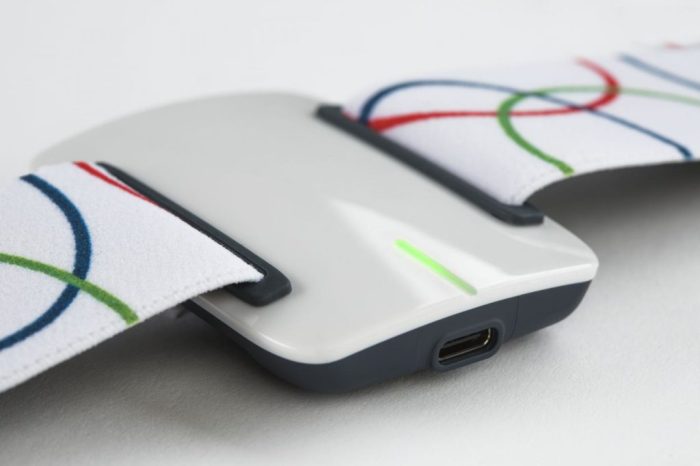
Smartwatch could serve as seismograph for seizure detection, offering a potentially revolutionary approach to early detection and intervention. This technology leverages the sophisticated sensors embedded in modern smartwatches to monitor subtle physiological changes associated with seizures. From detecting subtle movements to monitoring heart rate fluctuations, the potential for early warning systems is immense. We’ll explore the mechanics, the challenges, and the ethical implications of this promising advancement in seizure detection.
The potential for a non-invasive, continuous monitoring system could dramatically improve seizure management and patient well-being. By analyzing real-time data, the system could provide valuable insights to both patients and healthcare providers.
Introduction to Smartwatches as Seizure Detection Devices
Smartwatches, once primarily fashion accessories, are increasingly integrated into healthcare, offering potential solutions for various medical conditions. Their ubiquitous presence and advanced sensor capabilities make them compelling candidates for seizure detection. This exploration delves into the technical aspects and practical implications of using smartwatches as tools to identify and potentially mitigate seizures.Smartwatches leverage a combination of sensors and sophisticated algorithms to monitor physiological changes.
The goal is to detect subtle anomalies indicative of an impending seizure, allowing for timely intervention and potentially reducing the severity of the event. The devices’ potential to enhance patient care and provide a more proactive approach to seizure management is significant.
Physiological Changes Associated with Seizures
Seizures manifest through a variety of physiological changes. These include alterations in heart rate, electrodermal activity (sweating), and even subtle shifts in posture. Monitoring these changes, particularly the subtle pre-ictal signs, is crucial for early seizure detection. The intricate interplay of these physiological changes, though not fully understood, offers avenues for detecting seizures. For example, a sudden, significant drop in heart rate before a seizure may signal the onset.
Smartwatch Sensor Technology
Smartwatches incorporate a variety of sensors to collect data. Accelerometers, used to measure movement, are key for detecting changes in posture, tremors, and unusual movements, all of which might be indicators of a seizure. Electrocardiograms (ECG) sensors are vital for monitoring heart rate variability, providing insights into potential pre-seizure patterns. Electrodermal activity (EDA) sensors can measure skin conductance, detecting changes in sweating which can precede a seizure.
Furthermore, gyroscopes can provide data on subtle rotational movements, offering additional insights. These sensors, working in concert, are capable of identifying complex patterns in physiological data.
Potential Advantages of Smartwatch-Based Seizure Detection
Smartwatches offer several advantages for seizure detection. Continuous monitoring provides a proactive approach to seizure management. The portability of the devices allows for convenient and unobtrusive data collection. Data collected can be transmitted to healthcare providers for remote monitoring, allowing for timely intervention and reducing the impact of seizure events.
Potential Disadvantages of Smartwatch-Based Seizure Detection
While promising, smartwatch-based seizure detection presents certain limitations. Accuracy is paramount, and the devices’ ability to consistently and accurately identify seizure precursors is still under development. Data interpretation is complex, and false positives can occur. The accuracy of the data collected is reliant on user compliance with the device and proper calibration. The need for ongoing research and refinement of algorithms to distinguish between normal physiological fluctuations and pre-seizure signals is vital.
Smartwatches could potentially revolutionize seizure detection by acting as mini-seismographs, capturing subtle physiological tremors. This exciting development mirrors the potential of new webp image format could send jpeg packing , which promises to significantly improve image quality and efficiency. Ultimately, though, the innovative applications of smartwatches in healthcare, including seizure detection, hold immense promise for the future.
Methods for Seizure Detection Using Smartwatch Sensors: Smartwatch Could Serve As Seismograph For Seizure Detection
Smartwatches, increasingly sophisticated in their capabilities, offer a promising avenue for seizure detection. Their embedded sensors, combined with sophisticated signal processing, provide the potential for early warning systems, improving patient outcomes and reducing the impact of seizures. This approach could significantly enhance the lives of those prone to seizures, allowing for timely intervention and potentially preventing injury.The core of this technology lies in the ability to interpret subtle changes in physiological signals, detected by the sensors within the smartwatch, and transform them into actionable information for seizure prediction.
These signals, when analyzed correctly, can reveal patterns indicative of an impending seizure, enabling prompt medical response and potentially preventing severe consequences.
Types of Sensors in Smartwatches
Smartwatches incorporate various sensors to monitor physiological data. These sensors are crucial in capturing the subtle changes associated with a seizure. Accelerometers, gyroscopes, and heart rate monitors are frequently found in modern smartwatches. Their combined data provides a comprehensive view of body movements, postural changes, and cardiac activity, which are all valuable for seizure detection.
Smartwatches potentially acting as seismographs for seizure detection are fascinating. Imagine the implications for early intervention, but this technology raises questions about data security, especially given the current climate of heightened cyber threats, like the drums of cyberwar. The sensitive data collected by these devices could become a tempting target. Ultimately, the development of secure systems for these smartwatches is critical to unlocking their full potential for seizure detection.
Utilizing Sensors for Seizure Detection
Accelerometers measure acceleration forces, allowing the smartwatch to track changes in body movement. Variations in acceleration patterns, such as tremors or involuntary jerking, can be indicative of a seizure. Gyroscopes, measuring rotational movement, can detect subtle changes in posture and orientation that may accompany a seizure. Heart rate monitors track fluctuations in heart rate, which may show significant deviations during a seizure.
Signal Processing Techniques
Signal processing techniques are critical for extracting meaningful information from the raw sensor data. Sophisticated algorithms analyze the collected data, identifying patterns and anomalies that could indicate a seizure. Filtering techniques remove noise from the sensor data, allowing the algorithms to focus on relevant information. Time-frequency analysis methods, such as wavelet transforms, help to reveal subtle changes in the frequency content of the signals over time.
Algorithms for Recognizing and Classifying Seizure-Related Activity
Machine learning algorithms, such as Support Vector Machines (SVMs) or artificial neural networks, can be trained to recognize and classify seizure-related activity. These algorithms learn from a dataset of sensor data from individuals experiencing seizures, enabling them to identify unique patterns and distinguish them from normal physiological fluctuations.
Data Collection and Transmission
Various methods can be used to collect and transmit data from the smartwatch to a central system. Wireless communication protocols, like Bluetooth Low Energy (BLE), facilitate the transmission of data in real-time. Cloud-based platforms store and process the data, enabling analysis and interpretation by healthcare professionals. The use of secure protocols is critical for patient privacy and data integrity.
Real-time analysis of the data, coupled with alerts to healthcare providers, is an important factor in successful seizure detection.
Data Analysis and Interpretation for Seizure Detection
Analyzing data from a smartwatch for seizure detection requires sophisticated processing and interpretation methods. The raw data collected by various sensors—accelerometer, gyroscope, heart rate, and potentially others—is inherently noisy and complex. Extracting meaningful patterns indicative of a seizure from this data requires careful filtering, feature extraction, and machine learning algorithms. This process is crucial for minimizing false positives and ensuring the accuracy and reliability of the device.
Data Preprocessing and Noise Reduction
Effective seizure detection relies heavily on accurate data. Raw sensor data often contains noise from various sources, including movement artifacts, environmental disturbances, and physiological variations unrelated to seizures. Noise reduction techniques are essential to enhance the signal-to-noise ratio, thereby improving the accuracy of subsequent analysis. These techniques include filtering algorithms, such as moving average filters, wavelet transforms, and Kalman filters, tailored to the specific characteristics of the sensor data.
For example, a moving average filter can smooth out rapid fluctuations in accelerometer readings, reducing the impact of minor movements.
Feature Extraction and Selection, Smartwatch could serve as seismograph for seizure detection
Identifying relevant features from the processed data is crucial for accurate seizure pattern recognition. Feature extraction involves transforming the raw data into a set of numerical characteristics (features) that represent the patterns and characteristics associated with seizures. These features could include variations in acceleration, gyroscope readings, heart rate variability, and other relevant metrics. Careful selection of relevant features from the extracted set can improve the performance of machine learning models.
Feature selection techniques, such as correlation analysis, principal component analysis (PCA), and recursive feature elimination, can be used to identify and prioritize the most informative features.
Machine Learning Model Comparison
Various machine learning models can be employed for recognizing seizure patterns from the extracted features. The choice of model depends on factors like the dataset size, the complexity of the seizure patterns, and the desired performance metrics. Examples include support vector machines (SVMs), decision trees, random forests, and neural networks. SVM models are often used for their ability to effectively classify data points into distinct categories.
Random forests, on the other hand, provide robust and reliable predictions by combining multiple decision trees. The performance of each model should be evaluated through rigorous testing and validation.
Validation and Accuracy Assessment
Validating the smartwatch’s accuracy in detecting seizures is paramount. This involves testing the system on a diverse dataset of seizure and non-seizure recordings from individuals with epilepsy. The performance of the detection system should be assessed using metrics like sensitivity, specificity, positive predictive value, and negative predictive value. Furthermore, the system’s performance should be tested under varying conditions, including different seizure types, activity levels, and environmental settings.
This ensures the reliability of the device in real-world applications. For instance, a system with high sensitivity might detect many seizures but with a low specificity might generate numerous false alarms.
Data Processing Methods Comparison
| Data Processing Method | Advantages | Disadvantages |
|---|---|---|
| Moving Average Filter | Simple to implement, effective in smoothing out minor fluctuations. | Can blur important details if the window size is too large. |
| Wavelet Transform | Excellent at capturing transient events, potentially useful for detecting sharp changes in sensor readings. | Computationally more complex than moving average filters. |
| Principal Component Analysis (PCA) | Reduces dimensionality by extracting important features, improving efficiency and reducing computational burden. | May lose some information in the process of dimensionality reduction. |
| Support Vector Machines (SVM) | Effective in classifying data into categories, often achieving high accuracy. | Can be computationally intensive for large datasets. |
Ethical Considerations and Challenges
Smartwatch-based seizure detection systems, while promising, raise significant ethical concerns that must be carefully addressed before widespread implementation. Data privacy and security are paramount, given the sensitive nature of the information collected. Potential biases in the data and challenges in achieving reliable, universally applicable systems also demand careful consideration. Ultimately, ongoing evaluation and refinement are crucial to ensuring the system’s effectiveness and ethical use.
Data Privacy and Security
The sensitive nature of seizure data necessitates robust data privacy and security measures. Collected data, including timestamps, activity patterns, and physiological signals, must be protected from unauthorized access and breaches. Data anonymization techniques and encryption protocols are essential to safeguard patient confidentiality and prevent misuse. Compliance with relevant data protection regulations, such as GDPR or HIPAA, is critical to ensure ethical handling of personal health information.
Potential Biases in Data
Smartwatch-based seizure detection systems may exhibit biases in the data they collect. These biases could arise from factors such as differences in user demographics, activity levels, and environmental conditions. For example, a system trained primarily on data from individuals of a specific age group or with a particular activity pattern might not accurately detect seizures in individuals outside this group.
Smartwatches could potentially act as miniature seismographs, detecting subtle movements indicative of seizures. This fascinating advancement in wearable technology is a leap forward in early seizure detection. While we’re still in the early stages of development, the potential for this technology to transform lives is huge. Similar to Google Earth’s ambitious expansion into exploring the open seas, google earth sets course for open seas , this innovative approach to health monitoring opens new avenues for understanding and responding to these neurological events.
This could ultimately revolutionize how we diagnose and manage conditions like epilepsy.
Careful consideration and mitigation strategies are needed to address potential biases in the training data and ensure equitable performance across diverse populations.
Challenges in Developing a Reliable System
Developing a universally applicable and reliable seizure detection system presents numerous challenges. Variability in seizure types, symptoms, and individual responses makes it difficult to create a single algorithm that accurately detects all types of seizures in all individuals. Furthermore, the accuracy of the smartwatch sensors may be affected by external factors, such as interference from other electronic devices or environmental conditions.
Addressing these challenges requires rigorous testing, validation, and refinement across diverse populations and conditions.
Need for Ongoing Evaluation and Refinement
Continuous evaluation and refinement are crucial for improving the performance and reliability of any seizure detection system. Regular updates to the algorithms and sensor calibration are necessary to address potential biases, account for evolving seizure patterns, and incorporate new research findings. Feedback from users, clinicians, and researchers is essential for identifying areas for improvement and ensuring the system remains accurate and helpful in real-world settings.
Ethical Concerns and Possible Solutions
| Ethical Concern | Possible Solution |
|---|---|
| Data Privacy and Security | Implement robust encryption, anonymization, and access control protocols. Comply with relevant data protection regulations (e.g., GDPR, HIPAA). |
| Potential Biases in Data | Employ diverse and representative datasets for algorithm training. Regularly evaluate system performance across different demographic groups and conditions. Implement strategies to mitigate bias in the algorithms. |
| Challenges in Developing a Reliable System | Conduct extensive testing and validation across diverse populations and seizure types. Incorporate user feedback and clinician input into system development. |
| Need for Ongoing Evaluation and Refinement | Establish a system for continuous monitoring and improvement. Regularly update algorithms and sensor calibration. Implement feedback mechanisms to incorporate new research and user insights. |
System Design and Implementation Considerations
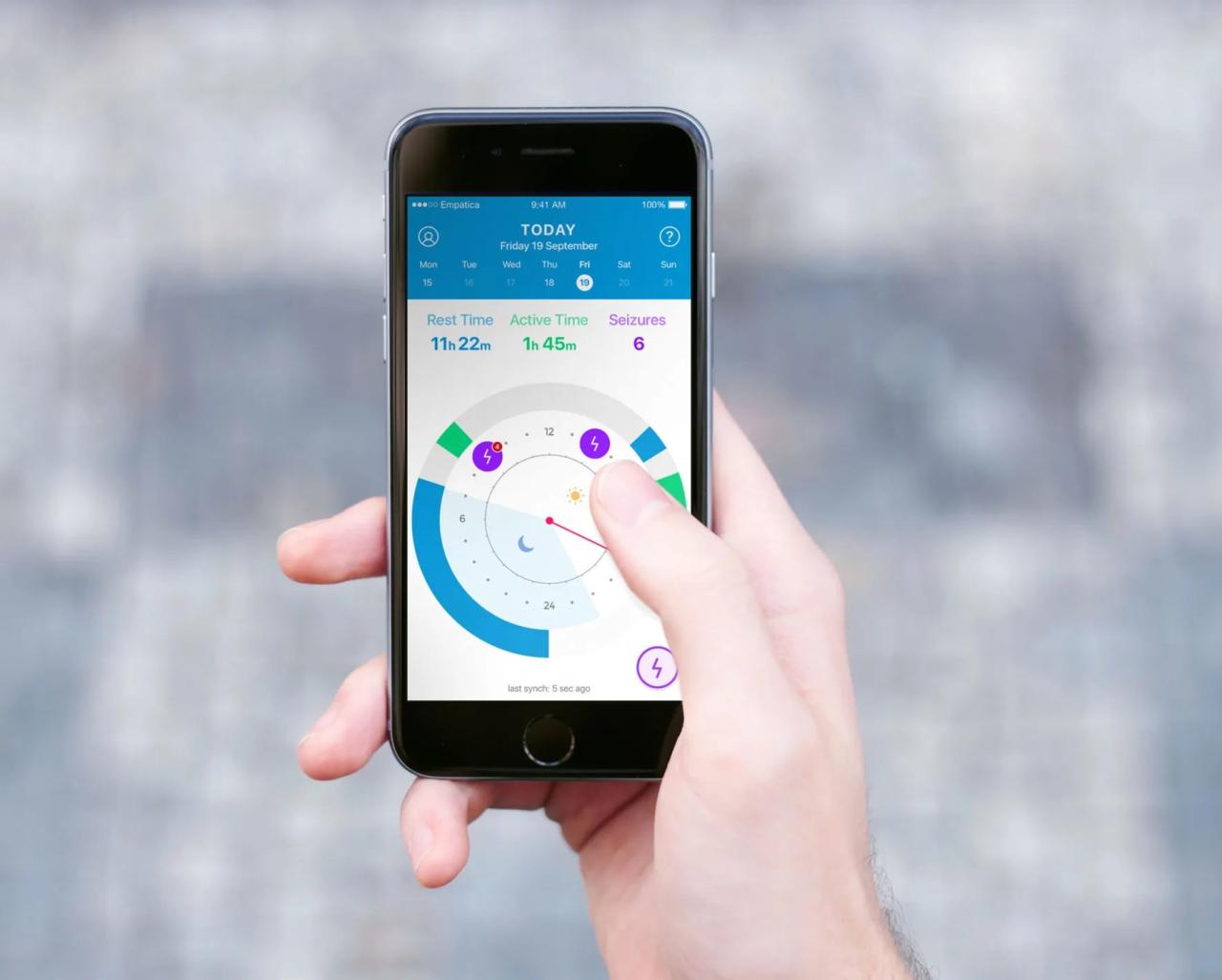
Developing a smartwatch-based seizure detection system requires careful consideration of various factors, ranging from the technical specifications of the device to the ethical implications of data collection. A robust system architecture, coupled with user-friendly interaction, is paramount to ensure accurate detection and timely intervention.This section delves into the critical aspects of designing and implementing a reliable seizure detection system, addressing hardware and software specifications, regulatory hurdles, and user interface design.
The ultimate goal is a system that seamlessly integrates into the daily lives of individuals prone to seizures, providing early warning and support.
System Architecture
The system architecture should be modular and scalable, allowing for future expansions and modifications. A distributed architecture, with the smartwatch acting as a data acquisition unit and a cloud-based server for data processing and storage, is ideal. The cloud server can handle complex algorithms, ensuring accurate seizure detection, and providing a centralized repository for data analysis. Data security and privacy are paramount, requiring robust encryption protocols throughout the system.
Smartwatch Hardware Specifications
The smartwatch must possess robust sensors capable of capturing high-quality data. Accelerometers, gyroscopes, and potentially electroencephalography (EEG) sensors will be crucial for detecting subtle movements and electrical activity indicative of a seizure. The device’s battery life must be optimized for extended periods of wear, with a charging mechanism that is both convenient and reliable. The processing power should be sufficient to handle real-time data analysis without compromising the user experience.
Considerations should include waterproofing and durability for everyday use.
Smartwatch Software Specifications
The software should be designed to efficiently process data from the sensors, identifying potential seizure patterns in real time. Advanced signal processing algorithms are necessary for filtering noise and artifacts. The software must also include a feature for real-time communication with the cloud server, ensuring data transmission without delay. A secure authentication system is vital to protect user data and privacy.
The user interface (UI) should be intuitive and user-friendly. Alert thresholds should be adjustable by the user, allowing for personalization.
Regulatory Approval and Clinical Trials
Securing regulatory approval is crucial before widespread deployment. This process involves rigorous clinical trials to validate the accuracy and efficacy of the system in detecting seizures. Data from these trials will be critical in demonstrating the system’s safety and reliability. The trials should include diverse populations with varying seizure types and severities to ensure a generalized application.
Compliance with relevant regulations (e.g., FDA guidelines in the US) is mandatory.
User Interface Design
The user interface (UI) should be simple, intuitive, and easily navigable. The UI should provide real-time feedback on the device’s activity and status, displaying data visualizations (e.g., graphs) to enhance understanding. Clear and concise alerts, customizable to individual needs, should be implemented to notify the user of potential seizure activity. A user profile section should allow for adjustments in sensitivity levels and alert configurations.
Emergency contact information should be easily accessible and readily configurable.
System Workflow Diagram
A diagram outlining the system’s workflow is provided below.
| Step | Action |
|---|---|
| 1 | Smartwatch sensors collect physiological data. |
| 2 | Smartwatch software processes data in real time, identifying potential seizure patterns. |
| 3 | Data is transmitted securely to the cloud server. |
| 4 | Cloud server applies advanced algorithms for seizure detection and analysis. |
| 5 | Server generates an alert if a seizure is detected. |
| 6 | Alert is displayed on the smartwatch and, if configured, transmitted to emergency contacts. |
Illustrative Case Studies and Potential Applications
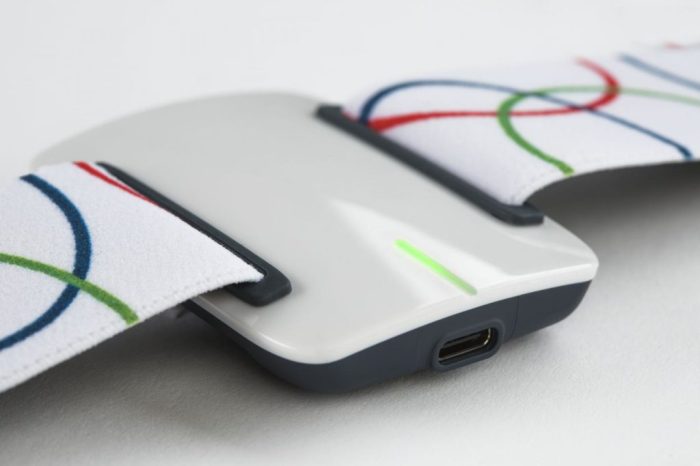
Smartwatch-based seizure detection systems hold immense promise for revolutionizing patient care. By providing real-time data and early warning signals, these devices can dramatically improve seizure management, empowering individuals and healthcare providers alike. This section explores real-world examples and potential applications, highlighting the technology’s impact on patient care, early warning capabilities, and integration into existing healthcare workflows.
Real-World Examples of Seizure Monitoring
A key application of this technology is in monitoring patients with a history of frequent seizures. Consider a patient with epilepsy who experiences several seizures per month. A smartwatch equipped with a seismograph can continuously monitor subtle physiological changes preceding a seizure. This allows for early detection of warning signs, potentially enabling the patient to seek immediate medical attention or take preventative measures.
Further, continuous monitoring offers insights into seizure patterns and triggers, aiding in the development of more effective treatment strategies. Another example involves individuals with a history of unprovoked seizures. The continuous data from the smartwatch can help identify subtle physiological changes that precede these events, enabling more effective management of their care.
Impact on Patient Care and Management
The integration of smartwatch seizure detection into patient care workflows can dramatically improve patient outcomes. Patients gain a heightened sense of control over their health, knowing that they have a tool for early detection and intervention. For instance, a patient might be able to adjust their medication schedule or seek immediate medical attention based on the smartwatch’s alerts.
The real-time data also provides valuable information for healthcare providers. Physicians can gain a deeper understanding of seizure patterns, allowing for more precise diagnosis and treatment planning. Early interventions, enabled by smartwatch alerts, can prevent potentially harmful complications.
Improving Early Warning and Intervention
The system’s ability to provide early warnings empowers individuals to react proactively. The device can detect subtle physiological changes, such as subtle changes in heart rate variability or electrodermal activity, that might precede a seizure. These early alerts can be crucial in preventing falls, injuries, and other adverse events. For instance, a patient experiencing pre-seizure symptoms could receive an alert on their smartwatch, enabling them to lie down or seek assistance, significantly reducing the risk of harm.
The timely alerts also allow healthcare providers to intervene earlier, potentially reducing the severity of the seizure.
Integration into Existing Healthcare Workflows
Seamless integration with existing healthcare workflows is essential for widespread adoption. The smartwatch data should be readily accessible to healthcare providers through electronic health records (EHRs) or secure communication platforms. This facilitates collaborative care and provides a comprehensive view of the patient’s health. The system should be designed to communicate with existing medical devices and systems, such as electroencephalography (EEG) machines, to enhance data analysis and provide a complete picture of the patient’s condition.
The system must be designed with clear data transfer protocols to ensure seamless integration.
Potential Applications Across Different Populations
| Population | Potential Application |
|---|---|
| Individuals with epilepsy | Continuous monitoring of seizure activity, identification of triggers, and early warning systems. |
| Individuals with unprovoked seizures | Identification of subtle physiological changes preceding seizures, enabling proactive interventions. |
| Individuals with neurological disorders | Monitoring of physiological changes related to their condition, providing early warning of potential complications. |
| Individuals with cognitive impairments | Providing alerts to caregivers or emergency services, reducing risks of falls or injuries. |
| Individuals at high risk of seizures | Monitoring for subtle physiological changes and providing early warning alerts. |
Future Directions and Research Opportunities
Smartwatch-based seizure detection holds immense promise for improving the lives of individuals susceptible to seizures. However, current systems face limitations in accuracy and comprehensiveness. Future research should focus on refining these systems, enhancing their capabilities, and integrating them into broader health monitoring platforms. This will ultimately lead to more effective seizure prediction and management.
Potential Enhancements and Improvements
Current smartwatch-based seizure detection systems rely primarily on accelerometer and electrodermal activity (EDA) data. Improving the accuracy and reliability of these sensors is crucial. For example, incorporating more sophisticated algorithms for data analysis can help differentiate between seizure-related activity and other physiological fluctuations. Furthermore, increasing the sensitivity and resolution of the sensors will lead to better detection of subtle pre-ictal signals.
Real-time feedback mechanisms can also be implemented, allowing users to immediately receive alerts or recommendations.
Need for Further Research and Development
Research must address the limitations of existing methods. The accuracy of seizure detection depends heavily on the individual’s unique physiological characteristics and the specific type of seizure. Further research is needed to adapt algorithms and sensor data analysis techniques to cater to these variations. Developing more personalized approaches, such as machine learning models trained on individual user data, can potentially improve detection rates and reduce false alarms.
Furthermore, developing methods to distinguish between different seizure types and their associated patterns can significantly improve accuracy.
Integration with Other Wearable Devices
Expanding the system’s capabilities through integration with other wearable devices will enhance comprehensive health monitoring. For instance, incorporating electrocardiogram (ECG) data from a dedicated chest strap could provide additional physiological insights, enabling more accurate seizure classification. Combining data from multiple wearable devices could also help identify pre-seizure patterns more effectively. Integration with sleep trackers could reveal correlations between sleep disturbances and seizure risk, providing valuable insights for proactive interventions.
Advanced Research Directions
Exploring novel sensor technologies and data analysis techniques is essential. Developing advanced sensor fusion algorithms can combine data from various wearable devices, potentially creating a more robust and comprehensive system. Utilizing advanced machine learning models, such as deep learning architectures, to analyze large datasets of sensor data could uncover hidden patterns and improve seizure prediction accuracy. Implementing sophisticated signal processing techniques to filter out noise and enhance the signal-to-noise ratio will lead to more reliable detection.
Potential Areas for Further Study
| Area of Study | Description |
|---|---|
| Improved Sensor Fusion Algorithms | Developing algorithms that combine data from multiple wearable sensors (e.g., accelerometer, EDA, ECG) to enhance seizure detection accuracy. |
| Personalized Machine Learning Models | Training machine learning models on individual user data to identify patterns specific to each user’s seizure activity, thereby improving the system’s accuracy and reducing false alarms. |
| Multi-modal Data Analysis | Analyzing data from various sources, including wearable sensors, medical records, and environmental factors, to identify complex interactions that might predict seizures. |
| Real-time Alert and Feedback Systems | Implementing systems that provide immediate alerts to users and healthcare providers during potential seizure activity, along with personalized recommendations for managing seizures. |
Last Recap
In conclusion, smartwatch-based seizure detection presents a compelling prospect for enhancing patient care and management. While challenges remain in terms of accuracy, data interpretation, and ethical considerations, the potential benefits are significant. Further research, rigorous testing, and ethical guidelines are crucial to realizing the full potential of this technology. With careful development, smartwatches could become invaluable tools in the fight against seizures.